Identifying Irritating Skincare Ingredients
What if the secret to your skincare success lies in understanding the delicate balance between hydration and irritation? By learning how to properly care for dry, acne-prone skin, you can achieve that healthy glow you've been searching for.
What You Will Learn
- Key factors that cause irritation in dry, acne-prone skin, including harsh ingredients and environmental stressors.
- The critical difference between dry skin and dehydrated skin, and how to address each condition effectively.
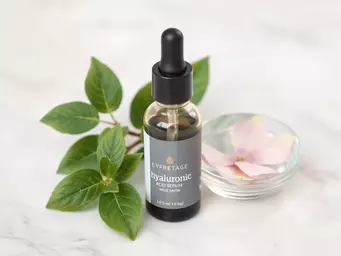
- Essential ingredients like hyaluronic acid that can help maintain skin hydration without triggering breakouts.
- Strategies for tailoring your skincare routine according to your skin's unique needs and seasonal changes.
- Practical tools and resources, such as ingredient checkers and dermatologist consultations, to empower your skincare choices.
Managing Irritation in Dry, Acne-Prone Skin
Understanding the distinct characteristics of dry vs. dehydrated skin and identifying common irritants are crucial steps in managing dry, acne-prone skin effectively. The visual below highlights these key differences and triggers.
Dry Skin vs. Dehydrated Skin
- •
Dry Skin: Lacks oil, feels rough/flaky, needs oil-based moisturizers.
- •
Dehydrated Skin: Lacks water, feels tight/itchy, needs hydrating ingredients (hyaluronic acid).
Common Skin Irritation Triggers
- •
Harsh Cleansers: Strip natural oils, increase sensitivity.
- •
Over-exfoliation: Weakens skin barrier, leads to irritation.
- •
Allergies: Reactions to specific ingredients causing redness or breakouts.
Understanding Irritation in Dry Acne-Prone Skin
Have you ever wondered why your skin reacts negatively to certain products? Understanding the root causes of irritation in dry, acne-prone skin is crucial for effective management. In my experience as a dermatologist, I've seen how this unique skin type can easily become inflamed or irritated. Factors such as environmental stressors, harsh ingredients, and even internal health issues can all contribute to these skin challenges.
Moreover, it's essential to recognize the delicate balance between keeping your skin hydrated while preventing breakouts. In this section, we'll explore what causes skin irritation and breakouts and how to differentiate between dryness and dehydration in your skin.
What Causes Skin Irritation and Breakouts?
Skin irritation can stem from a variety of sources that disrupt the skin barrier. Common culprits include environmental factors like pollution, weather changes, and even the products we use daily. Many people are surprised to learn that their favorite skincare or makeup products might contain irritating ingredients, which can exacerbate existing conditions. Research from the National Institutes of Health highlights the importance of understanding material safety data sheets for common cosmetic ingredients to identify potential irritants. Another study published by the National Institutes of Health further emphasizes how certain cosmetic ingredients can trigger allergic contact dermatitis, leading to irritation and breakouts. Even seemingly natural products can contain allergens, as noted in a Cleveland Clinic study.
- Harsh cleansers: Strip natural oils can lead to increased sensitivity.
- Over-exfoliation: This can weaken the skin barrier, making it more susceptible to irritation.
- Allergies: Allergic reactions to specific ingredients can manifest as redness or breakouts.
Understanding these triggers is vital in preventing future breakouts. Maintaining a consistent routine with gentle, hydrating products that respect your skin's barriers can significantly reduce irritation.

Recognizing Dryness vs. Dehydration in Your Skin
It’s easy to confuse dryness with dehydration, but they are distinct issues that require different approaches. Dry skin lacks oil, while dehydrated skin lacks water. Recognizing these differences can guide your skincare choices effectively.
- Dry Skin: Often feels rough and flaky, and may appear dull. It typically requires oil-based moisturizers to replenish its lipid barrier.
- Dehydrated Skin: Can feel tight, itchy, or sensitive, and may produce excess oil as a response. To treat it, focus on hydrating ingredients like hyaluronic acid.
By understanding whether your skin is dry or dehydrated, you can tailor your skincare routine to meet its specific needs. Remember, hydration is key for both conditions, and products that promote moisture retention will help you achieve that healthy glow!
Frequently Asked Questions
- What is the main difference between dry skin and dehydrated skin?Dry skin lacks oil and often feels rough or flaky, requiring oil-based moisturizers. Dehydrated skin lacks water, feels tight or itchy, and benefits from hydrating ingredients like hyaluronic acid.
- What are common triggers for skin irritation and breakouts in dry, acne-prone skin?Common triggers include harsh cleansers that strip natural oils, over-exfoliation which weakens the skin barrier, and allergic reactions to specific ingredients in skincare products. Environmental factors like pollution and weather changes can also contribute.
- How can I identify irritating ingredients in my skincare products?You can use interactive ingredient checker tools or build a personalized ingredient elimination diet. These methods help you scrutinize product ingredients and identify potential irritants or allergens.
- Why is tailoring my skincare routine important for dry, acne-prone skin?One size does not fit all in skincare. Tailoring your routine ensures you address your skin's specific needs, such as sensitivity and hydration levels, and can prevent further irritation or breakouts. Adjusting for seasonal changes is also beneficial.
- When should I consult a dermatologist for my dry, acne-prone skin?If you're struggling to manage your skin, a dermatologist can provide invaluable insights by diagnosing underlying conditions, recommending personalized treatment plans, and assisting in selecting the right products and professional treatments.
We Want to Hear From You!
What do you think about the importance of tailoring your skincare routine? Share your thoughts below:
Summarizing Key Takeaways for Healthy Skin
Maintaining healthy skin, especially when dealing with dry acne-prone conditions, requires a tailored approach to your skincare routine. It’s crucial to understand that what works for one person may not suit another. By recognizing your unique skin needs, you can craft a regimen that promotes hydration and minimizes irritation. Here are some key takeaways to consider:
- Identify your skin type and specific issues.
- Choose products suited for dry, acne-prone skin.
- Be cautious of common irritants and comedogenic ingredients.
- Incorporate hydrating agents like hyaluronic acid.
- Stay consistent with your routine for the best results.
By keeping these points in mind, you can navigate the complex world of skincare more effectively. Remember, it’s about finding what works best for you!
The Importance of Tailoring Your Skincare Approach
One size does not fit all when it comes to skincare. Tailoring your regimen can make all the difference in achieving a clear and hydrated complexion. Start by assessing your skin's specific needs. For instance, if you notice that certain products lead to breakouts, it may be time to reevaluate their ingredients.
- Consider factors like skin sensitivity and hydration levels.
- Adjust your routine seasonally to accommodate changes in temperature and humidity.
- Incorporate lighter formulations during warmer months and thicker creams in the winter.
Taking a personalized approach not only improves your skin health but also boosts your confidence!
Taking Action: Tools and Resources for Informed Choices
Now that you have a foundational understanding of how to manage dry, acne-prone skin, it’s time to take action! Utilizing the right tools and resources can help you make informed choices about your skincare products. Here’s how you can empower yourself:
- Use our interactive ingredient checker tool to scrutinize products.
- Build a personalized ingredient elimination diet to identify triggers.
- Consult a dermatologist for tailored advice based on your unique skin concerns.
- Explore professional treatments like microneedling and chemical peels for enhanced results.
These resources are designed to support your journey toward achieving balanced and healthy skin. Don’t hesitate to reach out for help or guidance—your skin deserves the best care possible!
Utilizing Our Interactive Ingredient Checker Tool
One of the most effective ways to navigate the world of skincare products is through our interactive ingredient checker tool. This resource allows you to quickly assess whether the ingredients in your products are suitable for your skin type. You can:
- Input any product and receive immediate feedback on its suitability.
- Identify problematic ingredients that may cause irritation or breakouts.
- Discover safer alternatives that align with your skincare goals.
Utilizing this tool can save you time and frustration while making informed product choices.
Building Your Personalized Ingredient Elimination Diet
Creating a personalized ingredient elimination diet involves identifying and removing potential irritants from your skincare routine. Start by documenting your products and observing how they affect your skin. As you eliminate specific ingredients, take notes on your skin’s response. Here's how to get started:
- List all the skincare products you currently use.
- Identify any common irritants or allergens in these products.
- Gradually remove one product at a time to monitor changes in your skin.
- Replace removed products with gentler, non-comedogenic options.
This methodical approach will help you pinpoint the ingredients that work for you, leading to a clearer and healthier complexion.
Consulting a Dermatologist for Personalized Advice
If you're struggling to manage your dry, acne-prone skin, consulting a dermatologist can provide invaluable insights. A professional can help you:
- Diagnose any underlying skin conditions.
- Recommend personalized treatment plans tailored to your needs.
- Assist in selecting the right products and treatments for your specific concerns.
Having expert guidance can significantly alleviate the frustration of trial and error in your skincare journey. Don’t underestimate the power of professional advice!
Exploring the Benefits of Professional Treatments: Microneedling and Chemical Peels
For those looking to enhance their skincare routine, professional treatments such as microneedling and chemical peels can offer remarkable benefits. Here’s what you can expect from these treatments:
- Microneedling: Promotes collagen production, improving skin texture and reducing scarring.
- Chemical Peels: Help exfoliate the skin, addressing concerns like dullness, uneven tone, and mild acne.
- Both treatments can be customized based on skin type and sensitivity levels.
These options can be a fantastic addition to your skincare arsenal, especially when performed by a qualified professional. It's always exciting to explore new ways to enhance your skin health!
Recap of Key Points
Here is a quick recap of the important points discussed in the article:
- Identify your skin type and specific issues to tailor your skincare routine.
- Choose products specifically suited for dry, acne-prone skin to minimize irritation.
- Be aware of common irritants and comedogenic ingredients in your skincare products.
- Incorporate hydrating agents like hyaluronic acid to maintain moisture levels.
- Stay consistent with your skincare routine for optimal results.
- Consult a dermatologist for personalized advice and treatment options.