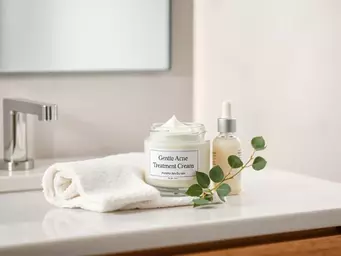
Gentle Exfoliation for Acne-Prone Skin

Have you ever wished for a skincare routine that addresses both dryness and acne without irritation? Gentle exfoliation may be your answer! Discover the transformative power of this technique tailored specifically for your unique skin needs.
What You Will Learn
- Gentle exfoliation is essential for maintaining smooth, healthy skin, particularly for those with dry, acne-prone skin.
- Understanding the difference between mechanical and chemical exfoliation helps in selecting the right method for your skin type.
- Choosing gentle exfoliation methods can reduce irritation, promote better absorption of products, and maintain skin barrier integrity.
- Recognizing the symptoms and causes of dry, acne-prone skin empowers you to develop an effective skincare routine.
- Safe practices include focusing on gentle chemical exfoliants like AHAs, avoiding harsh scrubs, and incorporating soothing ingredients.
Understanding Exfoliation Techniques for Dry, Acne-Prone Skin
This visual summarizes the two primary exfoliation techniques and their suitability for dry and acne-prone skin, highlighting key considerations for each method.
Mechanical Exfoliation
- Involves scrubs or tools (brushes).
- Caution: Can damage skin barrier.
- Risk: Worsens dryness, irritation.
- Recommendation for Dry Acne Skin: Generally avoid harsh mechanical scrubs.
Chemical Exfoliation
- Uses acids or enzymes to dissolve dead cells.
- Benefit: Hydrates while exfoliating (AHAs like Lactic Acid).
- Improves: Product absorption.
- Recommendation for Dry Acne Skin: Focus on gentle chemical exfoliants.
Understanding Gentle Exfoliation for Dry Acne Skin
Are you struggling with the delicate balance of dry and acne-prone skin? You're not alone! At Dry Acne Solutions, we understand that gentle exfoliation can be a game changer in managing your skin's unique challenges. Let’s explore how exfoliation can help, what methods are best for your skin, and why choosing the right technique is crucial.
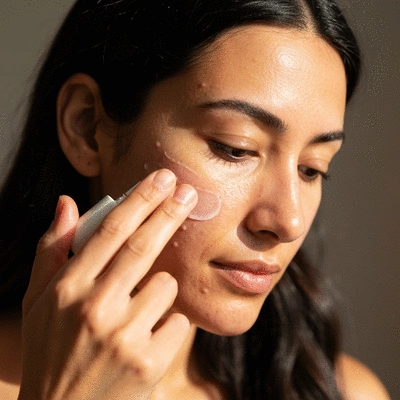
What is Gentle Exfoliation and Why is it Important?
Gentle exfoliation refers to the process of removing dead skin cells from the surface of your skin without causing irritation. This practice is vital for maintaining smooth, healthy skin, particularly for those like you who battle dryness and acne. By removing these dead cells, you can help prevent clogged pores, which can exacerbate acne!
Overview of Exfoliation Techniques
Exfoliation can be broadly categorized into two techniques: mechanical and chemical. Mechanical exfoliation involves scrubs or tools like brushes, while chemical exfoliation uses acids or enzymes to dissolve dead skin cells. It’s important to choose a method that respects the sensitivity of your skin. A comprehensive guide on exfoliation techniques highlights the benefits and risks associated with each method, further emphasizing the need for a tailored approach.
Importance of Choosing the Right Method for Dry Acne Skin
For those of us with dry, acne-prone skin, the right exfoliation method can make all the difference. Gentle exfoliation not only helps in shedding dead skin but also improves the effectiveness of your skincare products. Here are a few reasons to consider:
- Reduces the risk of irritation and inflammation.
- Promotes better absorption of hydrating products.
- Maintains skin barrier integrity while addressing acne.
When you choose the right exfoliation method, you set the stage for a clearer, more hydrated complexion! Research on daily gentle exfoliation confirms its efficacy in improving skin texture and minimizing irritation for sensitive and oily, acne-prone skin.
Recognizing the Characteristics of Dry Acne-Prone Skin
Understanding your skin is the first step in creating an effective care routine. Dry, acne-prone skin has unique traits that require special attention. Recognizing these characteristics can empower you to choose the best exfoliation practices.
How Dryness Affects Acne and Skin Health
When your skin is dehydrated, it may overproduce oil to compensate, leading to clogged pores and breakouts. Additionally, dryness can make skin more sensitive, increasing the likelihood of irritation from harsh treatments.
Identifying Symptoms and Causes of Dry Acne Skin
Symptoms of dry, acne-prone skin often include:
- Flaky patches
- Redness or irritation
- Increased sensitivity
Common causes can range from environmental factors to product choices. Incorporating gentle exfoliation can help alleviate these symptoms, paving the way for healthier skin.

Understanding Skin Sensitivity and Its Impact on Exfoliation
Sensitivity plays a significant role in how your skin reacts to exfoliation. If your skin is easily irritated, it’s crucial to choose gentle methods and ingredients. Be on the lookout for signs that your skin is reacting negatively, and adapt your routine accordingly. Remember, less is often more when it comes to exfoliating! According to a survey on dermatologists' perspectives, consistent gentle exfoliation is widely recommended for these skin types.
Pro Tip
Did you know? Incorporating a gentle exfoliation routine just 1-2 times a week can significantly enhance your skin's texture while minimizing the risk of irritation. Look for products containing lactic acid, as they hydrate while effectively removing dead skin cells. This balance is key for individuals with dry, acne-prone skin!
Frequently Asked Questions About Gentle Exfoliation for Dry, Acne-Prone Skin
Summary of Safe Exfoliation Practices for Dry Acne Skin
As we wrap up our discussion on exfoliation, it’s crucial to recap the key points that can help you effectively manage dry, acne-prone skin. Gentle exfoliation is not just a treatment; it’s a vital part of your skincare routine that promotes healthier skin. By understanding the right methods and products to use, you can enjoy the benefits of exfoliation without exacerbating dryness or causing irritation.
Here’s a quick overview of safe exfoliation practices you should consider:
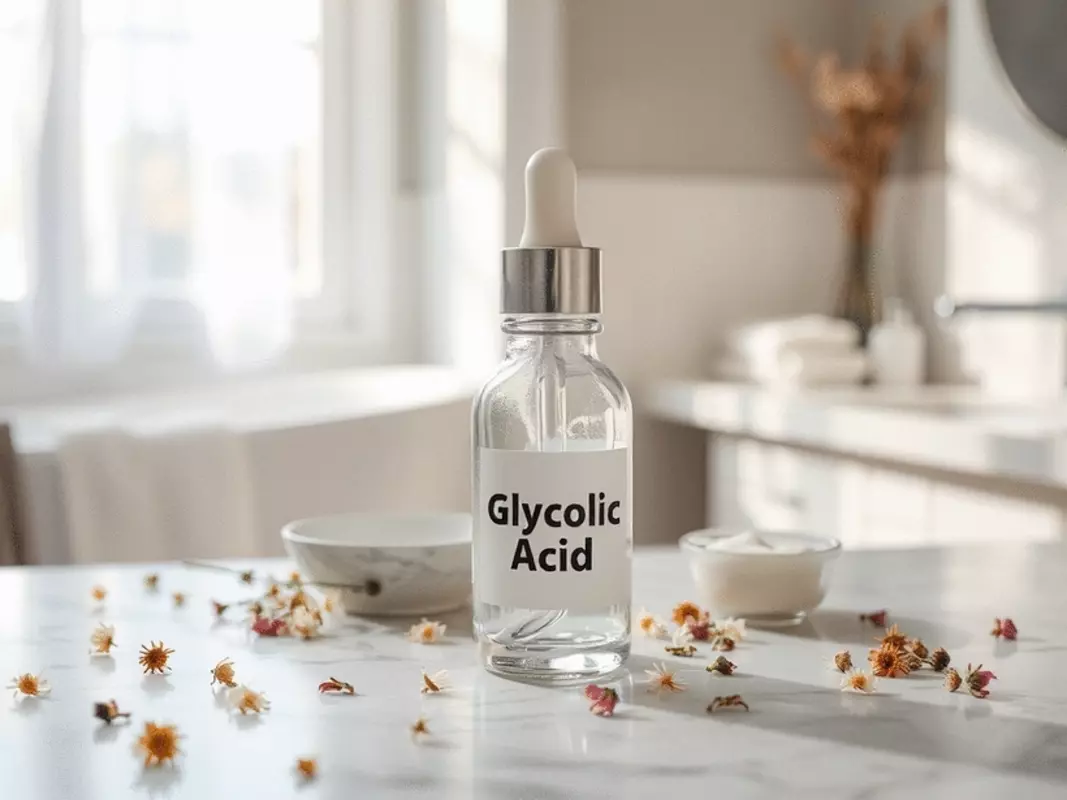
- Focus on gentle chemical exfoliants: AHAs, like glycolic and lactic acid, are excellent for those with dry skin as they hydrate while exfoliating.
- Avoid harsh mechanical scrubs: These can damage the skin barrier and worsen dryness.
- Pay attention to your skin's response: If you notice redness or irritation, it may be time to adjust your routine.
- Incorporate soothing ingredients: Aloe vera and niacinamide can be wonderful additions to your products for calming your skin.
Remember, exfoliation is a journey, and it's essential to listen to your skin. Finding what works best for you will take some time, but I assure you that it’s worth it!
Engaging with Your Skincare Journey
I’m excited for you to take charge of your skincare journey! Sharing experiences can be incredibly helpful, not just for you but for others facing similar challenges. Have you tried any new exfoliation methods? What worked for you, and what didn’t?
Feel free to leave comments or questions below—let’s create a supportive community where we can all share insights and tips! Remember, at Dry Acne Solutions, we're here to empower you with the knowledge you need to achieve your best skin possible. Your experiences matter, and together, we can navigate the ups and downs of skincare!
Recap of Key Points
Here is a quick recap of the important points discussed in the article:
- Gentle Exfoliation Benefits: Helps prevent clogged pores, reduces irritation, and enhances product absorption.
- Choose the Right Method: Opt for gentle chemical exfoliants like AHAs, and avoid harsh mechanical scrubs.
- Listen to Your Skin: Always pay attention to how your skin reacts and adjust your routine if you notice irritation.
- Incorporate Soothing Ingredients: Ingredients such as aloe vera and niacinamide can help calm the skin during exfoliation.