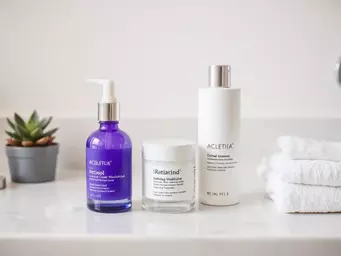
Managing Acne with Dry Skin
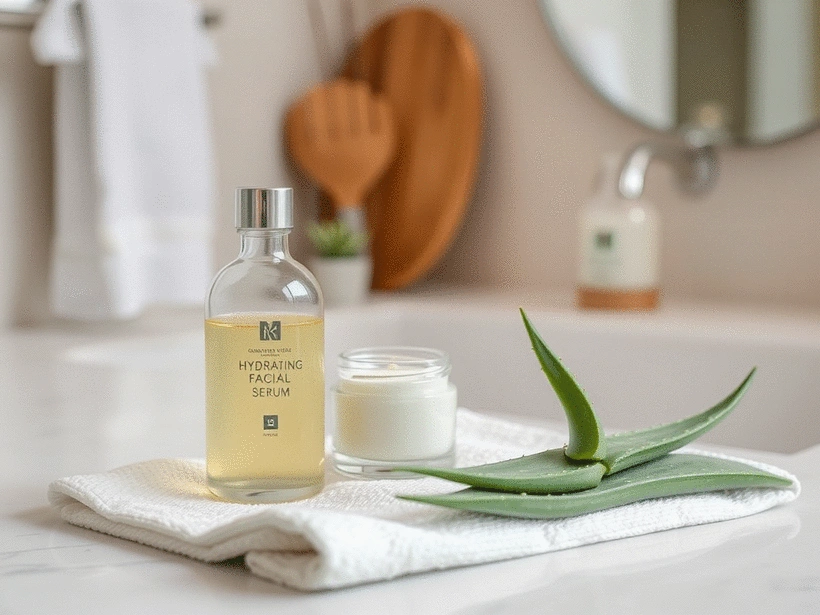
Ever felt like your skin is locked in a constant battle between dryness and breakouts? You're not alone. Understanding the intricate relationship between acne and dry skin can be the key to unlocking a healthier complexion. Let’s delve into the essential insights that can transform your skincare routine.
What You Will Learn
- Dry skin can lead to increased oil production, which may trigger acne flare-ups.
- Understanding your skin type is crucial for effective acne management.
- Hydration is essential; choose products that hydrate without causing breakouts.
- Hormonal fluctuations can significantly affect both acne and dry skin, necessitating a tailored skincare routine.
- Incorporating stress management techniques can help regulate hormones and improve skin health.
- Regular consultation with dermatologists can provide personalized insights for your unique skin challenges.
Understanding Acne and Dry Skin Intersections
Explore the key factors influencing acne flare-ups on dry skin, from underlying causes to effective management strategies. This visual highlights critical comparisons and actionable steps.
Causes of Acne Flare-Ups on Dry Skin
- Skin sensitivity: Dry skin is often more sensitive, making it susceptible to irritation.
- Pore-clogging: Skin may overproduce oil to compensate for dryness, leading to clogged pores.
- Flaky patches: Dry, flaky skin can trap bacteria and dead cells, promoting breakouts.
Impact of Hormonal Imbalance
- Excess oil production: Hormonal shifts trigger more oil, clogging pores especially in dry skin.
- Breakout patterns: Tracking cycles helps predict and manage skin’s response to hormonal changes.
- Consistent routine: Essential to adapt skincare to fluctuating hormonal influences.
Effective Lifestyle Changes for Acne Prevention
Balanced Diet: Focus on anti-inflammatory foods; avoid high-glycemic options and excessive dairy.
Stay Hydrated: Drink plenty of water and incorporate hydrating foods into meals.
Gentle Skincare: Choose non-comedogenic, hydrating ingredients like hyaluronic acid.
Proper Hygiene: Regularly change pillowcases and clean makeup tools.
Manage Stress: Embrace techniques like meditation or yoga for overall skin health.
Understanding Acne and Its Connection to Dry Skin
Acne can often feel like a never-ending battle, especially when paired with dry skin. It’s crucial to grasp how these two conditions intertwine. Understanding the causes of acne flare-ups on dry skin can equip you with the knowledge needed to manage your skincare routine effectively. Let’s explore what contributes to these pesky breakouts.
Many people are surprised to learn that dry skin can significantly impact acne development. It can lead to a cycle where the skin compensates for lack of moisture by producing more oil, which can, in turn, clog pores and trigger acne flare-ups. So, how can we break this cycle? It starts with recognizing the key factors at play.
What Causes Acne Flare-Ups on Dry Skin?
It’s essential to understand the role of your skin type in acne development. Everyone's skin is unique, and factors like genetics, environment, and lifestyle can influence how your skin behaves. Dry skin can create a barrier that prevents adequate oil circulation, leading to an imbalance that encourages acne.
- Skin sensitivity: Dry skin is often more sensitive, making it susceptible to irritation from harsh products.
- Pore-clogging: When the skin is dry, it may produce excess oil, which can clog pores.
- Flaky patches: Dry patches can trap bacteria and dead skin cells, leading to breakouts.
At Dry Acne Solutions, we emphasize the importance of addressing both dryness and acne in your skincare routine. Are you currently using products that cater to both issues? Let’s dive deeper into how dryness can affect acne severity.
The Role of Skin Type in Acne Development
Your skin type plays a pivotal role in how acne manifests. For those with dry, acne-prone skin, finding the right balance is paramount. It's not just about treating acne; it's also about ensuring your skin remains hydrated. If you’re unsure of your skin type, consider consulting a dermatologist who can guide you towards the best practices.
Did you know that using the wrong products can exacerbate dryness? Many acne treatments can be overly drying, which may worsen your skin's condition. Therefore, it’s crucial to seek products that hydrate without causing breakouts. Research published by PMC NCBI highlights the importance of understanding skin barrier function in acne management, underscoring why proper hydration is key.
How Dryness Can Affect Acne Severity
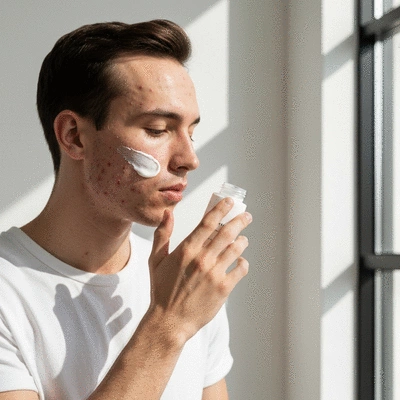
Dryness can intensify acne severity by creating an environment in which bacteria thrive. When the skin lacks moisture, it may react by producing more oil, which can lead to clogged pores. This cycle can feel relentless, but understanding it is the first step toward improvement!
- Choose hydrating cleansers that don’t strip your skin of essential oils.
- Incorporate lightweight moisturizers with acne-fighting ingredients.
- Utilize serums that target both hydration and acne simultaneously.
At Dry Acne Solutions, we advocate for a holistic approach to skincare. By prioritizing hydration alongside acne treatment, you can achieve a balanced, clear complexion.
The Impact of Hormonal Balance on Acne and Dry Skin
Hormonal fluctuations can greatly influence both acne and dry skin. Many individuals experience breakouts tied to their menstrual cycle or hormonal changes. Understanding how these fluctuations affect your skin can lead to better management strategies. For example, a study on digitalcommons.kansascity.edu emphasizes the link between hormonal changes and acne in women.
Are you aware of how your hormones may be impacting your skin? By paying attention to these changes, you can better predict and manage potential breakouts.
How Hormonal Changes Influence Acne Breakouts
Hormones can trigger excess oil production, leading to clogged pores and breakouts, especially in those with dry skin. Understanding this connection is crucial for developing an effective skincare routine. Tracking your cycle and documenting your skin’s response can provide valuable insights. Research from PMC NCBI further explores the complex interplay between hormones, sebum production, and acne.
- Identify patterns in your skin's behavior related to your cycle.
- Maintain a consistent skincare routine that adapts to hormonal changes.
- Consult with a dermatologist for personalized treatment options.
By managing hormonal triggers, you can achieve healthier skin. At Dry Acne Solutions, we believe that knowledge is power when it comes to your skincare journey!
Managing Hormonal Triggers for Healthier Skin
To manage hormonal triggers effectively, consider integrating lifestyle changes such as regular exercise, balanced nutrition, and stress management techniques. These approaches can help regulate hormones and improve your skin's condition.
Would you like to learn more about specific dietary choices that support clear skin? Let’s take a look at how what you eat can influence your skin health in the next section!
Interactive Poll: Your Skin Journey
Managing dry, acne-prone skin can be challenging. What strategies have you found most effective in your skincare routine? Share your thoughts with us!
Frequently Asked Questions About Acne and Dry Skin
- Q: Can dry skin cause acne?
- A: Yes, dry skin can trigger a cycle where the skin overproduces oil to compensate for lack of moisture, leading to clogged pores and acne flare-ups.
- Q: How can I identify my skin type?
- A: Observing how your skin feels throughout the day (oily, dry, combination, sensitive) can help. For precise assessment, consulting a dermatologist is recommended.
- Q: What kind of skincare products should I use for dry, acne-prone skin?
- A: Look for non-comedogenic, hydrating products with ingredients like hyaluronic acid. Choose gentle cleansers and lightweight moisturizers that won't strip your skin or clog pores.
- Q: How do hormones affect acne on dry skin?
- A: Hormonal fluctuations can increase oil production, which can exacerbate breakouts, especially in dry skin. Tracking your cycle can help you anticipate and manage these changes.
- Q: What lifestyle changes can help prevent acne?
- A: A balanced, anti-inflammatory diet, adequate hydration, proper hygiene (like changing pillowcases), and stress management techniques are all effective in preventing acne.
- Q: When should I consult a dermatologist for my dry, acne-prone skin?
- A: If you're struggling to manage your skin conditions with over-the-counter products and lifestyle changes, a dermatologist can provide personalized advice and treatment options.
Summarizing Effective Lifestyle Changes for Acne Prevention
Managing acne on dry skin can feel daunting, but making a few key lifestyle changes can pave the way to clearer skin. It’s all about finding the right balance between diet, skincare, and daily habits. By incorporating what we’ve discussed, you can create a personalized approach that effectively addresses both dryness and acne flare-ups.
Here are some essential takeaways to consider as you work toward healthier skin:
- Prioritize a balanced diet: Focus on anti-inflammatory foods while avoiding high-glycemic index options and excessive dairy.
- Stay hydrated: Drink plenty of water and incorporate hydrating foods into your meals.
- Choose gentle skincare products: Look for non-comedogenic and hydrating ingredients like hyaluronic acid.
- Practice proper hygiene: Regularly change pillowcases and clean your makeup tools to minimize acne triggers.
- Manage stress effectively: Embrace stress-reduction techniques such as meditation or yoga to support skin health.
As you embark on this journey with Dry Acne Solutions, remember to stay informed about your skin’s unique needs. Each person’s skin is different, and what works for one might not work for another. Tracking changes and adjusting your routine accordingly will make a significant impact over time!

Encouraging a proactive approach to acne management
As you take the next steps in your skincare journey, consider seeking professional advice tailored to your specific needs. Consulting with healthcare professionals can provide you with invaluable insights and help you navigate your acne treatment options effectively.
Additionally, building a support network can be beneficial. Connecting with friends or family who understand your skincare concerns can offer encouragement and accountability as you adopt your new lifestyle changes. Together, you can celebrate progress and navigate challenges!
Consulting with Healthcare Professionals for Personalized Advice
When it comes to acne management, consulting with a dermatologist or skincare specialist can be a game-changer. They can assess your skin's condition, recommend effective treatments, and help you create a tailored plan that addresses both dryness and acne.
Building a Support Network for Better Skin Health
Don’t underestimate the power of community! Whether it’s online forums, local support groups, or discussing your journey with friends, sharing experiences can foster a sense of belonging and provide you with additional tips and motivation along the way. Your skin journey deserves support!
Recap of Key Points
Here is a quick recap of the important points discussed in the article:
- Understand Your Skin Type: Recognizing the unique characteristics of your dry, acne-prone skin is essential for effective management.
- Balance Hydration and Treatment: Use hydrating cleansers and moisturizers that do not exacerbate acne while treating dryness.
- Monitor Hormonal Changes: Track your cycle and skin responses to better manage breakouts linked to hormonal fluctuations.
- Prioritize a Balanced Diet: Focus on anti-inflammatory foods and hydration to support skin health from within.
- Maintain Consistent Skincare Practices: Use non-comedogenic products and practice proper hygiene to minimize acne triggers.