Washing Face Tips for Dry Acne

Are you tired of choosing between hydration and treating acne? The struggle for balance in skincare can be overwhelming, but it doesn’t have to be! With the right techniques, you can achieve both hydration and clear skin. Let’s explore some essential strategies.
What You Will Learn
- Understanding the importance of cleansing frequency to maintain skin moisture while preventing breakouts.
- The dual challenge of managing dry skin and acne, and why a balanced skincare approach is essential.
- The role of pH balance in cleansers and its impact on skin health and irritation prevention.
- Signs of over-washing your face and how to identify when to adjust your cleansing routine.
Cleansing for Dry, Acne-Prone Skin: Key Considerations
Navigating the complexities of dry and acne-prone skin requires a balanced approach to cleansing. The visual below highlights the critical elements for maintaining skin health while addressing both concerns.
Cleansing Frequency & Impact
- •Over-cleansing: Strips natural oils, increases dryness.
- •Infrequent cleansing: Dirt & oil buildup, clogged pores.
- •Balanced approach: Gentle products, controlled acne, maintained hydration.
pH Balance in Cleansing
- •Ideal cleanser pH: ~5.5 (matches skin).
- •High pH cleansers: Disrupt skin barrier, cause dryness.
- •Low pH cleansers: Gentler, maintain moisture, prevent breakouts.
Cleansing Recommendations
- •Gentle cleansing: Mild, non-stripping cleanser.
- •Frequency: Twice daily (water-only in AM optional).
- •Listen to skin: Should feel clean, not tight or dry.
Signs of Over-Washing
- •Dry patches: Tight or flaky skin.
- •Increased breakouts: New pimples in unusual areas.
- •Redness: Visible irritation on the skin surface.
Understanding the Balance: Washing Your Face with Dry Skin and Acne
Finding the right balance when washing your face can feel like a juggling act, especially with dry skin and acne battling for attention. Many of my patients at Dry Acne Solutions express frustration over feeling like they need to choose between hydration and treating breakouts. The good news? With a few adjustments to your cleansing routine, you can achieve both!
In this section, we’ll explore the importance of cleansing frequency and how your chosen products can significantly impact the health of your skin. Let’s dive right into the details!
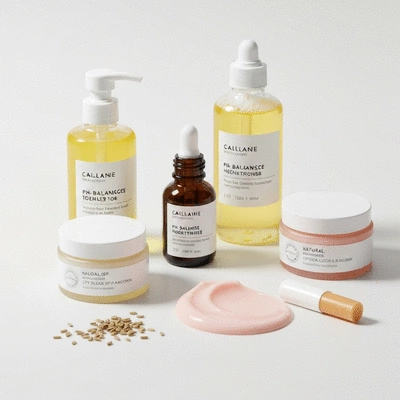
Why Cleansing Frequency Matters for Dry and Acne-Prone Skin
When it comes to managing dry, acne-prone skin, understanding how often to cleanse is crucial. Finding the right frequency can help maintain your skin’s moisture barrier while keeping breakouts at bay.
- Over-cleansing can strip the skin of its natural oils, leading to increased dryness.
- Infrequent cleansing might allow dirt and oil to build up, resulting in clogged pores.
- Finding a middle ground with gentle products will help control acne without compromising hydration.
I'm often surprised at how many individuals overlook this critical aspect. A well-timed cleansing routine can really make a difference in how your skin feels and looks! For further insights on general skincare recommendations, the Mayo Clinic offers comprehensive guidance on acne treatments, including advice on cleansing.
The Dual Challenge of Dryness and Breakouts
It can be frustrating to face the dual challenge of dryness and acne simultaneously. Most skincare products are designed for either condition, but not both. This often leads to a cycle where treating one issue exacerbates the other.
For example, using harsh cleansers to mitigate acne can leave your skin feeling parched. Conversely, overly hydrating products may cause breakouts due to clogged pores. That's why a balanced approach is so vital!
How Skincare Routines Impact Skin Health
Your skincare routine doesn’t just improve your skin’s appearance; it significantly affects its health. A tailored routine that considers your skin's unique needs can help you achieve that coveted balance between hydration and breakout control.
- Choose gentle cleansers that respect your skin's moisture barrier.
- Incorporate non-comedogenic moisturizers to maintain hydration levels.
- Listen to your skin! Adjust your products based on how it reacts.
Remember, the goal is to support your skin, not to overwhelm it. With the right practices, you can create a harmonious routine that addresses both dryness and acne effectively. Understanding the science behind skin health, particularly the anatomy, physiology, and pathology of the skin, can further empower your skincare choices.

The Role of pH Balance in Facial Cleansing
Did you know that the pH level of your cleanser plays a crucial role in how your skin feels? Maintaining your skin’s natural pH can help prevent irritation while keeping it clear. Let’s explore more about this!
- The ideal pH level for facial cleansers is around 5.5, which matches our skin’s own pH.
- Cleansers with high pH levels can disrupt your skin barrier, leading to dryness.
- Low pH cleansers tend to be gentler and more effective at maintaining moisture.
This is particularly important for those of us with acne-prone skin, as a balanced pH can help prevent further breakouts while effectively cleansing.
Understanding pH Levels and Their Effect on Skin
Your skin naturally has an acid mantle, which protects against bacteria and irritants. If you use a cleanser with a high pH, you might be stripping away this protective layer, leading to dryness and sensitivity.
Choosing products that respect this balance can enhance your skin’s health and resilience against acne. Always check that your cleansers are pH-balanced to ensure you're not inadvertently compromising your skin’s barrier!
Choosing pH-Balanced Cleansers for Optimal Results
When selecting a cleanser, it’s essential to prioritize pH balance. Look for labels that specify pH levels, or opt for products specifically designed for dry, acne-prone skin. This way, you can effectively cleanse without causing additional issues!
- Opt for gel or cream-based cleansers that maintain skin moisture.
- Avoid foaming cleansers, which tend to have a higher pH.
- Test the product on a small skin area before full application to ensure it suits your skin.
Finding the right cleanser can transform your skincare journey! With the right approach, we can move toward healthier, clearer skin together.
Engaging Question
As you navigate the challenges of managing dry and acne-prone skin, what's the one product or technique that you've found most beneficial? Share your experiences with us!
Frequently Asked Questions (FAQs)
Summarizing Your Skincare Journey with Dry Skin and Acne
As we wrap up our discussion on managing dry skin with acne, it’s essential to highlight some key takeaways for effective cleansing. Remember, each step in your skincare routine builds upon the last, and finding that balance is crucial for achieving healthy, radiant skin!
To recap, maintaining the right cleansing frequency is vital. For those battling dryness and breakouts, a gentle approach is necessary to avoid further irritation. You’ll want to incorporate cleansing techniques that specifically target your unique skin needs while keeping your barrier intact.
Key Takeaways for Effective Cleansing
Here are the main points to remember about cleansing effectively:
- Cleanse gently: Opt for a mild cleanser that won’t strip your skin of its natural moisture.
- Frequency matters: Wash your face twice daily, but consider a water-only approach in the morning.
- Watch for signs: Pay attention to your skin's response; it should feel clean, not tight or dry.
Recognizing signs of over-washing is equally important. If you notice increased dryness, redness, or irritation, it might be time to adjust your routine. Your skin communicates with you—listen to it!
Recapping Frequency Recommendations for Healthy Skin
To cement your understanding, let’s review the frequency recommendations:
- Morning: A splash of water or a gentle cleanse.
- Evening: Use a gentle cleanser to remove makeup and impurities.
Additionally, consider your lifestyle and adjust your cleansing routine based on your skin’s response to environmental factors or stressors. It’s all about finding a routine that works for you! For more general advice on how often to wash your face, the Cleveland Clinic provides helpful information.
Identifying Signs of Over-Washing and Adjustments Needed
Be vigilant about the signs your skin might show if you're over-washing:
- Dry patches: Areas of skin feeling tight or flaky.
- Increased breakouts: New pimples forming, especially if they're in areas where you don't typically have issues.
- Redness: Irritation visible on the skin's surface.
If you experience any of these symptoms, take a step back and reassess your routine. It's perfectly okay to adjust the frequency of your cleansing and incorporate additional hydrating products to keep your skin balanced.
Taking the Next Steps for Your Skin Health
Now that we’ve laid the groundwork for effective cleansing, let’s discuss how you can take the next steps toward optimal skin health! Remember, at Dry Acne Solutions, we believe in empowering you with the knowledge to manage your skin effectively.
Developing a Personalized Skincare Routine
Your skincare journey should be tailored to your unique needs. A personalized routine can make all the difference in managing dry and acne-prone skin.
Consultation with Skin Care Professionals: When and Why
If you're feeling overwhelmed or unsure about your routine, don’t hesitate to seek guidance from a skincare professional. A consultation can provide insights specific to your skin type and conditions, helping you make informed decisions about products and treatments.
Encouragement to Monitor Progress and Adjust Accordingly
As you implement changes, keep track of how your skin responds over time. Journaling your progress can help you identify what works and what doesn’t. And remember, patience is key—great skin doesn't happen overnight!
Lifestyle Factors Affecting Your Skin Health
Your skin doesn't exist in a vacuum; it’s influenced by various lifestyle factors. Understanding these can help you take a holistic approach to skincare.
Understanding the Impact of Diet, Sleep, and Stress Management
A balanced diet rich in vitamins and minerals plays a crucial role in skin health. Aim for whole foods, including fruits, vegetables, and healthy fats, to nourish your skin from the inside out! Moreover, don’t underestimate the power of sleep and stress management—both can significantly impact your skin’s health!
Hydration and Water Intake: Essential for Skin Health
Lastly, hydration is non-negotiable. Drinking enough water throughout the day helps maintain skin elasticity and moisture levels. Aim for at least eight glasses a day, and watch your skin transform! Cheers to healthy, hydrated skin!
Recap of Key Points
Here is a quick recap of the important points discussed in the article:
- Cleanse gently: Opt for a mild cleanser that won’t strip your skin of its natural moisture.
- Frequency matters: Wash your face twice daily, but consider a water-only approach in the morning.
- Watch for signs: Pay attention to your skin's response; it should feel clean, not tight or dry.
- Choose pH-balanced products: Maintain your skin's natural pH for effective cleansing and to avoid irritation.
- Monitor your routine: Adjust your cleansing frequency and products based on how your skin reacts.