Best Hydrating Serums for Acne
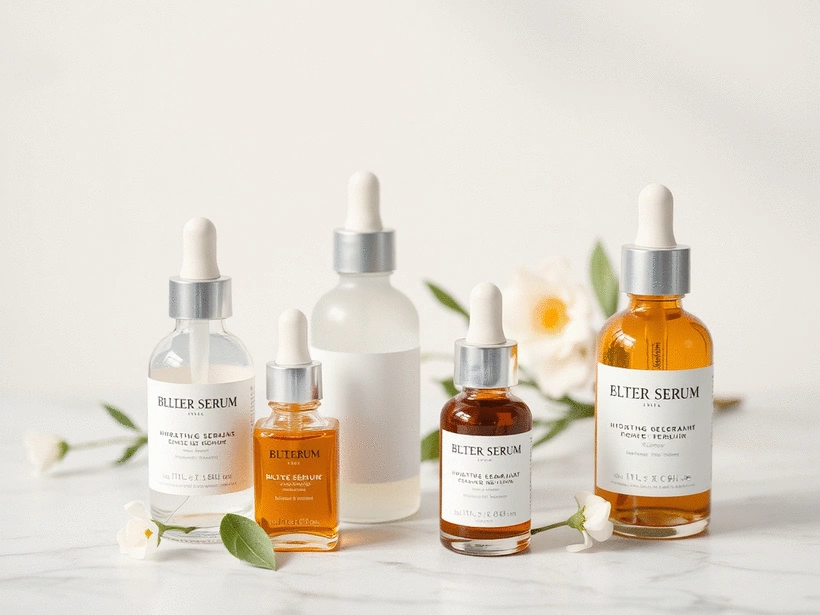
Did you know that hydration can significantly affect your skin's ability to fight acne? Understanding the nuances between hydration and oiliness is essential for achieving a clear complexion. Let’s delve into the key lessons to enhance your skincare routine!
What You Will Learn
- Distinguishing between dryness (lack of oil) and dehydration (lack of water) is crucial for selecting the right skincare products.
- Proper hydration supports skin barrier function, leading to fewer breakouts and reduced irritation.
- Hydrated skin produces less oil, decreasing the likelihood of clogged pores and acne.
- Key hydrating ingredients include hyaluronic acid, glycerin, panthenol, niacinamide, aloe vera, and green tea extract, each offering unique benefits without clogging pores.
Understanding the Difference: Dryness vs. Dehydration in Skin
Distinguishing between dry and dehydrated skin is crucial for effective skincare. While both can feel tight, their root causes and appropriate treatments differ significantly.
Dry Skin: Lack of Oil
- •Feels tight & rough
- •May show dry patches/flakiness
- •Requires emollients & occlusives
- •Often genetic predisposition
Dehydrated Skin: Lack of Water
- •Can feel tight, appear dull
- •More prominent fine lines, lackluster
- •Requires humectants & water intake
- •Caused by environmental factors/lifestyle
Understanding Hydration: Why It Matters for Dry, Acne-Prone Skin
Have you ever noticed how tricky it can be to manage dry, acne-prone skin? I completely understand the frustration! At Dry Acne Solutions, we believe that understanding hydration is essential for achieving that balanced, clear complexion you desire. Let's explore why hydration is so crucial for your skin's health.
First, it’s important to distinguish between dryness and dehydration. While they sound similar, they are actually quite different. Dryness refers to a lack of oil, while dehydration refers to a lack of water. Your skin can be oily yet dehydrated, or dry but hydrated. This understanding is vital, as it influences how we choose our skincare products.
Distinguishing Between Dryness and Dehydration
Knowing the difference between these two skin conditions can help you tailor your skincare routine effectively. Here are some key points to consider:
- Dry Skin: Often feels tight and rough. It may also show dry patches or flakiness.
- Dehydrated Skin: Can feel tight but may also appear dull and lackluster. You might notice more prominent fine lines.
- Both Conditions: Require hydration, but the solutions may differ based on your skin’s specific needs.
By identifying whether your skin is dry or dehydrated, you can choose the right products that support your skin’s unique needs. Remember, it’s all about balance!
The Role of Hydration in Skin Health and Barrier Function
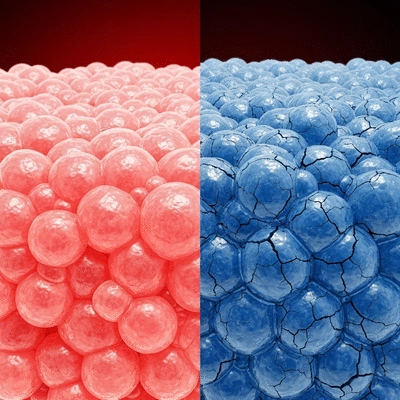
Hydration plays a pivotal role in maintaining your skin's barrier function. A well-hydrated skin barrier can fend off irritants and allergens while retaining moisture. Think of your skin like a sponge; when it’s saturated with water, it can better protect itself. A strong barrier means fewer breakouts and less irritation—something I'm sure we can all appreciate! This concept is further supported by research on the importance of the skin barrier in preventing irritant contact dermatitis.
Moreover, proper hydration can enhance your skin's elasticity and overall appearance. It helps reduce the visible signs of aging and keeps your skin looking vibrant and youthful. It's not just about fighting acne; it's about fostering a healthy environment for your skin to thrive.
How Hydration Levels Impact Acne Severity and Skin Texture
Your hydration levels can significantly influence acne severity and skin texture. When your skin is dehydrated, it can overcompensate by producing excess oil, leading to clogged pores and stubborn breakouts. The American Academy of Dermatology Association provides valuable insights into understanding the causes of acne and how proper skincare, including hydration, plays a crucial role. Here’s how hydration can help:
- Reduced Oiliness: Well-hydrated skin produces less oil, which can help prevent acne.
- Smoother Texture: Hydration diminishes rough patches and flakiness, improving the overall surface of your skin.
- Better Treatment Absorption: Hydrated skin allows acne treatments to penetrate more effectively, enhancing their efficacy.
In short, maintaining optimal hydration is a game-changer for those of us battling dry, acne-prone skin. Prioritizing hydration can lead you on the path to clearer, healthier skin!
We Want to Hear From You!
As you explore the importance of hydration for dry, acne-prone skin, what has been your biggest challenge in finding the right products? Share your thoughts below:
Frequently Asked Questions (FAQs)
- Q: What is the difference between dry skin and dehydrated skin?
- A: Dry skin lacks oil, often due to genetic predisposition, and may appear rough or flaky. Dehydrated skin lacks water, can feel tight and look dull, and is often caused by environmental factors or lifestyle.
- Q: Why is hydration important for acne-prone skin?
- A: Proper hydration strengthens the skin barrier, reduces excess oil production (which can lead to clogged pores), and helps acne treatments penetrate more effectively. It can also reduce overall irritation and breakouts.
- Q: What key ingredients should I look for in hydrating skincare products if I have acne-prone skin?
- A: Look for ingredients like hyaluronic acid (various molecular weights), glycerin, panthenol, niacinamide, aloe vera, and green tea extract. These ingredients provide hydration without clogging pores and offer additional benefits like soothing and oil regulation.
- Q: Can dehydrated skin cause more acne?
- A: Yes, when skin is dehydrated, it can overcompensate by producing more oil to protect itself, which can lead to clogged pores and increased acne breakouts.
- Q: How can I choose the right concentration of hyaluronic acid for my skin?
- A: Start with lower concentrations (around 0.1% to 0.5%) and gradually increase if needed. Serums that combine multiple molecular weights of hyaluronic acid are often recommended for comprehensive hydration.
Key Ingredients That Help Hydrate Without Clogging Pores
When it comes to managing dry, acne-prone skin, understanding the right ingredients is crucial. Not all hydrators are created equal, and choosing products that hydrate without causing breakouts can be a game changer! Here, I will discuss some of the most effective ingredients you should look for in your skincare routine.
Incorporating these ingredients will not only help boost hydration levels but will also ensure that your pores remain clear and your skin stays balanced. Let's dive into the star players!
The Benefits of Hyaluronic Acid and Its Molecular Weights
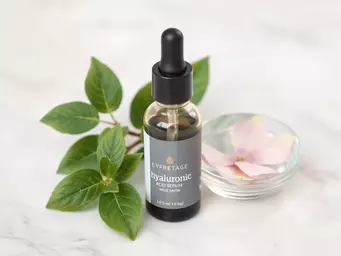
Hyaluronic acid is a superstar when it comes to hydration. It can hold up to 1,000 times its weight in water, making it incredibly effective for maintaining moisture levels in the skin. There are different molecular weights of hyaluronic acid, which can penetrate the skin at varying depths:
- Low molecular weight: This penetrates deeper layers of the skin, providing profound hydration.
- Medium molecular weight: Offers a balance, hydrating both surface and deeper layers.
- High molecular weight: Forms a protective layer on the surface, preventing moisture loss.
By selecting the right concentration based on your skin's needs, you can ensure optimal hydration. Remember, layering products containing hyaluronic acid can further enhance its effectiveness!
How to Choose the Right Concentration for Your Skin
To find the right concentration of hyaluronic acid for your skin, start with lower concentrations (around 0.1% to 0.5%) and gradually increase as needed. This approach allows your skin to adjust without overwhelming it. As a dermatologist, I often recommend looking for serums that combine multiple molecular weights for maximum benefit!
Importance of Glycerin and Panthenol in Hydrating Serums
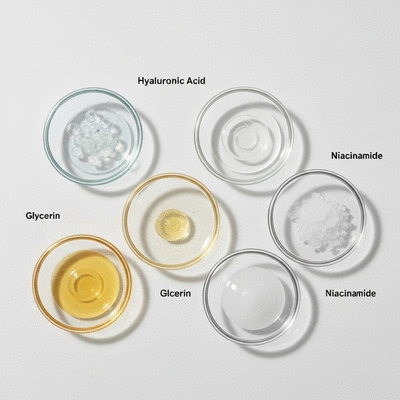
Glycerin is another fantastic ingredient known for its ability to attract moisture to the skin. It works by drawing water from the environment into the skin's outer layers, making it an excellent humectant. Coupled with panthenol, which soothes and reduces inflammation, these ingredients are a dynamic duo for anyone struggling with dryness and irritation.
- Glycerin: Helps maintain skin hydration and improve elasticity.
- Panthenol: Promotes healing and enhances the skin barrier, calming irritation.
Including products with these two ingredients can significantly elevate your hydration game!
Exploring Niacinamide: Multifunctional Benefits for Acne-Prone Skin
Next up is niacinamide, a form of vitamin B3 that does wonders for the skin. Not only does it help with hydration, but it also supports the skin's barrier function, regulates oil production, and reduces the appearance of pores. This makes it a versatile choice for those of us with dry, acne-prone skin. Scientific studies, such as those found on NCBI, have explored the topical effects of niacinamide on various skin conditions, including acne.
- Hydrates and plumps the skin.
- Reduces redness and inflammation.
- Minimizes the appearance of fine lines and wrinkles.
Incorporating niacinamide into your routine can lead to clearer, healthier-looking skin, and I highly recommend it to my patients!
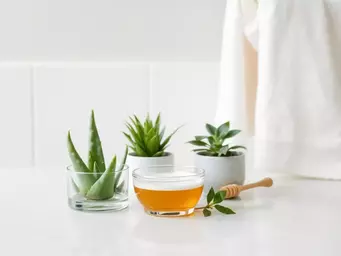
Aloe Vera: Soothing Hydration for Sensitive Skin
For those with particularly sensitive skin, aloe vera is a calming, hydrating option. It contains anti-inflammatory properties and provides essential moisture without feeling heavy. Aloe is also rich in vitamins and antioxidants, making it a great addition to any skincare routine.
- Soothes irritated skin.
- Helps heal and repair the skin barrier.
- Hydrates without clogging pores.
Consider looking for products with a high concentration of aloe vera, especially if your skin tends to react negatively to other ingredients!
The Role of Green Tea Extract in Hydration and Acne Treatment
Lastly, green tea extract is another ingredient I often recommend. It's packed with antioxidants and has anti-inflammatory properties that can help soothe irritated skin. Green tea can also reduce sebum production, making it beneficial for acne-prone skin. By adding green tea extract to your skincare routine, you can enjoy enhanced hydration along with its acne-fighting benefits.
- Rich in antioxidants that protect the skin.
- Helps reduce inflammation and redness.
- Regulates oil production, making it ideal for acne-prone skin.
Including green tea extract in your products can help maintain a hydrated, calm complexion!
Recap of Key Points
Here is a quick recap of the important points discussed in the article:
- Understanding Dryness vs. Dehydration: Dryness is a lack of oil, while dehydration is a lack of water. Identifying your skin type helps in choosing the right products.
- The Importance of Hydration: Proper hydration strengthens the skin barrier, reduces acne severity, and enhances overall skin texture.
- Key Hydrating Ingredients: Look for hyaluronic acid, glycerin, panthenol, niacinamide, aloe vera, and green tea extract in your skincare products for optimal hydration without clogging pores.
- Layering Products: Start with lower concentrations of ingredients like hyaluronic acid and gradually increase to avoid overwhelming your skin.
- Patience is Key: Give your skin time to adjust to new products and routines for the best results.