Soothe Dry Skin from Acne Treatments
When managing acne, many individuals find themselves facing the unpleasant side effect of dry, flaky skin. This article sheds light on the connection between acne treatments and skin dryness, offering valuable insights and effective strategies to combat this challenge. Ready to elevate your skincare routine?
What You Will Learn
- Understanding that common acne treatment ingredients like retinoids, benzoyl peroxide, and salicylic acid can lead to skin dryness.
- Identifying symptoms of dry skin, such as flakiness, tightness, and persistent redness.
- Utilizing simple home remedies like aloe vera and coconut oil for immediate relief from dryness.
- Building a gentle skincare routine that includes hydrating toners and lightweight moisturizers.
- Incorporating hydration boosters like hyaluronic acid and glycerin to enhance moisture retention.
Understanding How Acne Treatments Cause Dry Skin
Many acne treatments can lead to dryness. This visual highlights the common culprits and their effects on your skin.
Why Acne Treatments Cause Dryness
Acne treatments often contain ingredients that accelerate cell turnover and reduce oil, which can strip the skin of natural moisture.
Key Ingredients & Their Impact
Retinoids: Promote cell turnover, disrupt skin barrier.
Benzoyl Peroxide: Kills bacteria, can be harsh and irritating.
Salicylic Acid: Exfoliates pores, can leave skin tight.
Symptoms of Dryness
Flakiness/Peeling: Around cheeks and forehead.
Itching/Tightness: Sign of compromised barrier.
Redness/Irritation: Lingering after product use.
Immediate Relief & Prevention
Home Remedies
- • Aloe Vera (soothing)
- • Coconut Oil (seals hydration)
- • Honey (draws moisture)
Hydration Boosters
- • Hyaluronic Acid
- • Glycerin
Gentle Skincare Routine
- • Gentle cleanser
- • Hydrating toner/essence
- • Lightweight moisturizer
- • Sunscreen daily
Understanding the Connection Between Acne Treatments and Skin Dryness
Have you ever noticed that your skin feels drier after starting acne treatments? You're not alone! Many individuals face the dual challenge of managing acne while dealing with dry, flaky skin. Understanding the connection between these treatments and skin dryness can help you navigate this frustrating experience more effectively.
Acne treatments often contain powerful ingredients designed to combat breakouts, but these same ingredients can lead to excessive dryness. Common culprits, like retinoids, benzoyl peroxide, and salicylic acid, work by accelerating skin cell turnover and reducing oil production. While this is fantastic for clearing acne, it can also strip the skin of its natural moisture, leaving it parched and irritated.
Why Do Acne Treatments Cause Dry, Flaky Skin?
Let’s break it down! Here are some of the main ingredients found in acne treatments that can lead to dryness:
- Retinoids: These vitamin A derivatives promote cell turnover, which is great for unclogging pores but can also disrupt the skin barrier. For instance, isotretinoin, a potent retinoid, is known to cause significant dryness as a side effect.
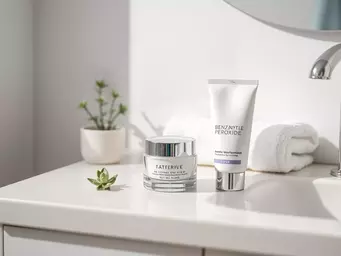
- Benzoyl Peroxide: This potent anti-acne agent kills acne-causing bacteria, but it can be harsh, leading to dryness and irritation. The National Library of Medicine provides detailed information on benzoyl peroxide, noting its potential to cause skin irritation and dryness.
- Salicylic Acid: While effective for exfoliating and clearing pores, it can also leave the skin feeling tight and dry. Research published in PMC highlights the mechanisms by which salicylic acid works, including its exfoliating properties that can sometimes lead to dryness.
By understanding how these ingredients work, you can better prepare your skin and implement strategies to counteract dryness.
Identifying Symptoms of Dryness After Acne Treatment
It’s essential to differentiate between normal skin responses and more serious reactions. Here are some common signs of dry, flaky skin:
- Flakiness or peeling, especially around the cheeks and forehead
- Itching or a tight sensation, which indicates a compromised skin barrier
- Redness or irritation that lingers after using your acne products
Recognizing these symptoms enables you to take proactive steps. If you notice persistent issues, it may be time to reevaluate your acne regimen or consult a dermatologist for tailored advice.
Immediate Relief Strategies for Dry, Flaky Skin
Now that we’ve identified how acne treatments can lead to dryness, let’s explore some immediate relief strategies to soothe your skin!
Simple Home Remedies for Instant Hydration
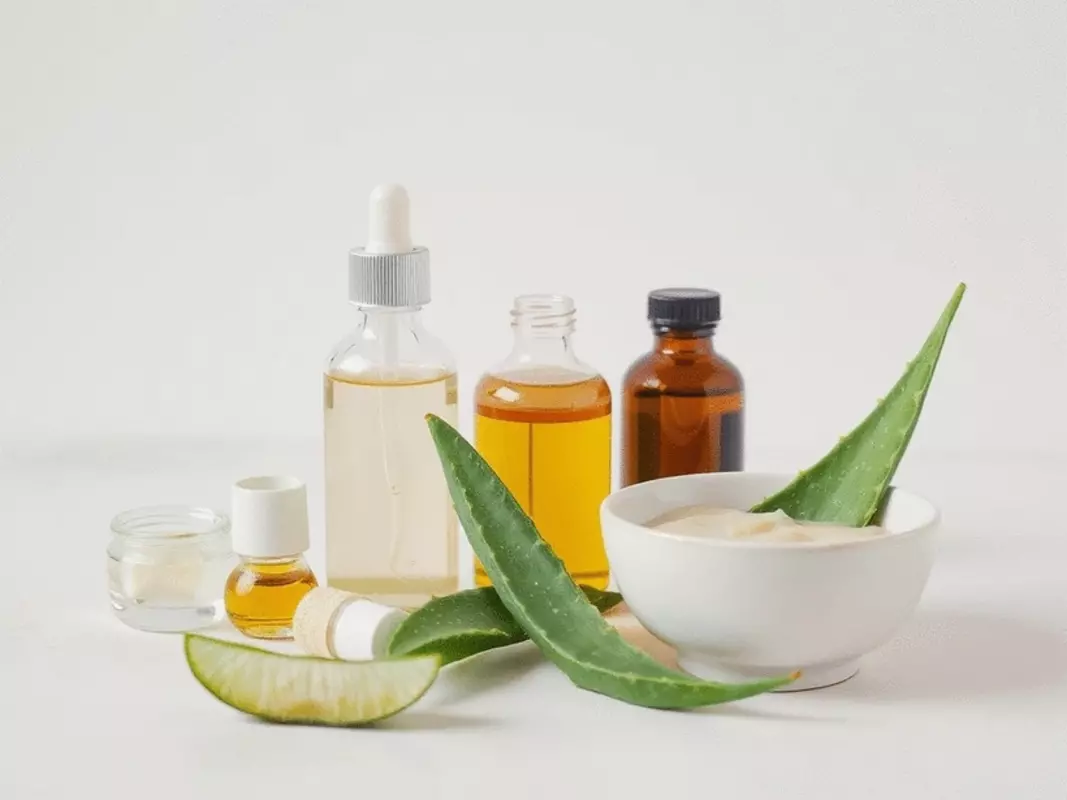
Sometimes, the best solutions are right in your kitchen! Here are a few natural ingredients you can use at home:
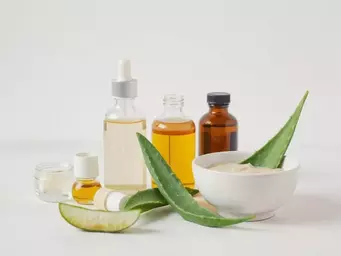
- Aloe Vera: Known for its soothing properties, applying fresh aloe vera gel can provide instant hydration.
- Coconut Oil: This natural moisturizer is great for sealing in hydration, especially for very dry patches.
- Honey: A natural humectant, honey draws moisture into the skin—apply a thin layer as a mask for 15-20 minutes!
These remedies can offer quick relief while you adjust your skincare routine.
Building a Gentle Skincare Routine
Creating a skincare routine that minimizes irritation is crucial for maintaining hydrated skin. Here are some steps you can take:
- Start with a gentle cleanser that doesn’t strip your skin of moisture.
- Follow up with a hydrating toner or essence to prep your skin.
- Choose lightweight moisturizers that contain soothing ingredients.
- Don’t forget sunscreen during the day to protect your skin barrier!
By building a gentle routine, you can help your skin recover from the harsh effects of acne treatments.
Incorporating Hydration Boosters Like Hyaluronic Acid and Glycerin
To combat dryness effectively, consider including hydration boosters in your routine. Here’s why hyaluronic acid and glycerin are essential:
- Hyaluronic Acid: This powerhouse ingredient can hold up to 1,000 times its weight in water, making it a must-have for dry skin.
- Glycerin: A natural humectant, it attracts moisture to the skin and helps maintain hydration levels.
Incorporating these ingredients can significantly improve your skin's moisture retention, leading to a healthier, more balanced complexion.
Interactive Poll: Share Your Thoughts!
Have you experienced dryness from acne treatments? What strategies have you found most effective in managing it? We’d love to hear from you!
Frequently Asked Questions About Acne Treatment and Dry Skin
Q1: Why do acne treatments often cause dry skin?
Acne treatments frequently contain active ingredients such as retinoids, benzoyl peroxide, and salicylic acid. These ingredients work by accelerating cell turnover and reducing oil production, which, while effective for clearing acne, can strip the skin of its natural moisture and disrupt its barrier, leading to dryness, flakiness, and irritation.
Q2: What are the common symptoms of dry skin caused by acne treatments?
Symptoms of dry skin from acne treatments include flakiness or peeling (especially around the cheeks and forehead), a tight or itchy sensation, and persistent redness or irritation. These are signs that your skin's natural barrier is compromised and needs hydration.
Q3: Can home remedies help with dry skin from acne treatments?
Yes, several home remedies can offer immediate relief. Aloe vera is known for its soothing properties, coconut oil can help seal in hydration, and honey acts as a natural humectant, drawing moisture into the skin. These can provide temporary relief as you adjust your long-term skincare routine.
Q4: What should a gentle skincare routine for dry, acne-prone skin include?
A gentle skincare routine should start with a non-stripping cleanser, followed by a hydrating toner or essence. It's crucial to use a lightweight moisturizer with soothing ingredients and to apply sunscreen daily to protect the skin barrier. This approach helps the skin recover and maintain hydration.
Q5: Which hydration boosters are recommended for combating dryness?
Hyaluronic acid and glycerin are highly recommended hydration boosters. Hyaluronic acid can hold a significant amount of water, making it excellent for intense moisturization. Glycerin is a natural humectant that attracts and retains moisture in the skin, contributing to a healthier and more balanced complexion.
Recap: Effective Strategies for Managing Dry Skin from Acne Treatments
As we’ve explored, managing dry skin that results from acne treatments requires a thoughtful approach. It’s essential to understand how certain ingredients, like retinoids and benzoyl peroxide, can lead to dryness while implementing effective strategies to combat these issues. By focusing on hydration and gentle care, you can significantly improve your skin's condition.
Here’s a quick recap of the key strategies we discussed:
- Immediate Relief Strategies: Use simple home remedies and adopt a gentle skincare routine to provide instant hydration.
- Hydration Boosters: Incorporate powerful ingredients like hyaluronic acid and glycerin into your daily regimen for lasting moisture.
- Soothing Ingredients: Look for products containing ceramides, niacinamide, and aloe vera to repair and calm your skin.
- Tailored Products: Choose moisturizers and barrier creams suitable for your skin type to provide essential protection and hydration.
By weaving these strategies into your daily skincare routine, you'll be on your way to a healthier, hydrated complexion that can thrive even while managing acne. Your skin deserves the best care—let’s work together to achieve that glow! Remember, at Dry Acne Solutions, I’m here to empower you with effective solutions tailored to your unique skin challenges.

Your Path to Relief: Call to Action
Now that you have a toolkit of effective strategies for managing dry skin from acne treatments, it’s time to take action! Start implementing these methods today, and don't hesitate to experiment with products that resonate with your skin's needs. Every individual’s journey is different, and finding the right balance may take a bit of patience.
I invite you to share your experiences with us or ask questions in the comments. If you feel overwhelmed or if the dryness persists, consider consulting a dermatologist for personalized guidance. Together, we can navigate this journey towards healthier skin! What strategy are you excited to try first? Your skin’s health is worth every effort!
Recap of Key Points
Here is a quick recap of the important points discussed in the article:
- Understand Ingredients: Recognize how retinoids, benzoyl peroxide, and salicylic acid can lead to dryness while treating acne.
- Identify Symptoms: Look for signs of dryness such as flakiness, itching, and persistent redness after using acne treatments.
- Immediate Relief: Utilize home remedies like aloe vera, coconut oil, and honey for instant hydration.
- Gentle Skincare Routine: Build a routine with a gentle cleanser, hydrating toner, and lightweight moisturizers.
- Incorporate Hydration Boosters: Include hyaluronic acid and glycerin in your skincare for lasting moisture retention.