Hydrating Solutions for Acne-Prone Skin
What if the secret to managing your dry, acne-prone skin lies in the delicate balance of hydration? Understanding this can transform your skincare routine and help you achieve the clear complexion you’ve been striving for.
What You Will Learn
- Hydration is essential for strengthening the skin barrier, crucial for acne-prone dry skin.
- Over-cleansing can exacerbate dryness and trigger more breakouts; a balanced cleansing routine is key.
- Non-comedogenic products should be prioritized to avoid clogged pores and maintain skin clarity.
- Incorporating hydrating serums and masks can significantly improve skin texture and hydration levels.
- Regular self-assessment of hydration levels helps in adapting skincare routines effectively.
- Creating a product selection matrix based on ingredients and skin needs can streamline product choices.
- Understanding active ingredients suited to your skin type can enhance treatment efficacy.
- Addressing common issues with hydrating products requires a strategic approach to product application.
Understanding the Hydration-Acne Connection
This visual highlights key factors influencing acne-prone dry skin and the role of hydrating products in its management.
Key Factors Exacerbating Acne-Prone Dry Skin
- •Weather Conditions
- •Dietary Habits
- •Stress Levels
- •Compromised Skin Barrier
These factors can intensify both dryness and breakouts, requiring tailored care.
Role of Hydrating Serums & Masks
- •Deliver Concentrated Moisture
- •Restore Skin's Natural Balance
- •Improve Overall Skin Texture
- •Soothe Inflammation & Redness
These are essential for deep hydration and addressing acne-related irritation.
Assessing Your Skin's Hydration Needs
- •Tightness After Cleansing
- •Presence of Flaky Patches
- •Dullness or Lack of Radiance
- •Reaction to Different Products
Regular self-assessment helps adapt your routine for optimal balance.
Key Product Selection Criteria
- •Moisturizing Ingredients (e.g., Hyaluronic Acid, Glycerin)
- •Soothing Agents (e.g., Niacinamide, Aloe Vera)
- •Non-Comedogenic Formulas
- •Suitable Formulations (Gels, Creams, Masks)
A strategic approach to product choice is crucial for effective care.
The Importance of Hydration in Acne-Prone Dry Skin Care
Have you ever felt caught in a cycle of dryness and breakouts? You're not alone, and that’s why it's crucial to understand the unique needs of acne-prone dry skin. This type of skin requires a delicate balance between hydration and effective acne management. At Dry Acne Solutions, we believe that proper hydration is one of the cornerstones of a successful skincare routine, especially for those of us dealing with both dryness and acne.

When our skin becomes dry, it can lead to flare-ups and a compromised skin barrier, making it more difficult to maintain a clear complexion. That’s why learning about hydration and how it impacts our skin is vital. Let’s explore how we can cater to these unique needs effectively!
Understanding the Unique Needs of Acne-Prone Dry Skin
Acne-prone dry skin isn't just a simple combination of issues—it's a complex condition that needs tailored care. Factors like weather, diet, and stress can exacerbate the dryness while also triggering breakouts. Understanding this balance is key to selecting the right products. Research has shown that a compromised skin barrier can lead to increased water loss and inflammation, which can worsen both dryness and acne. For more in-depth information, you can refer to this study on skin barrier function.
- Hydration is essential for maintaining a strong skin barrier.
- Over-cleansing can strip necessary oils, leading to more dryness and irritation.
- Choosing non-comedogenic products helps prevent clogged pores.
When you pay attention to these factors, you can create a skincare routine that nourishes and protects your skin. It’s all about finding that sweet spot where hydration meets effective treatment!
How Hydrating Serums and Masks Play a Role in Skin Health
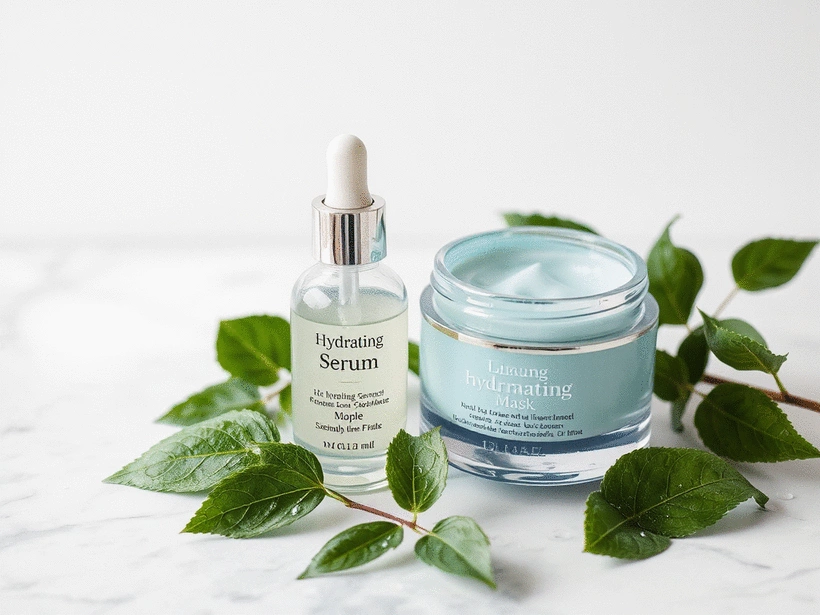
Hydrating serums and masks are not just extras in your skincare routine; they’re essential tools in the fight against dry, acne-prone skin. These products can deliver concentrated moisture and beneficial ingredients directly to your skin. They work to restore the skin’s natural balance and improve overall texture. For optimal skin health, it's important to choose products that support the skin's natural moisturizing factors and lipid barrier, as discussed in this article on skin hydration.
- Serums can penetrate deeper layers of skin, providing intense hydration.
- Masks allow for longer contact time, maximizing ingredient benefits.
- Both can include soothing agents that calm inflammation and redness.
Incorporating these into your routine can make a significant difference. I often recommend my patients try various products until they find the right combination that works for their unique skin.
Identifying Hydration Levels: Assessing Your Skin's Needs
So, how do you know if your skin is truly hydrated? It starts with self-assessment. Look for signs like tightness, flakiness, or dullness, which can indicate that your skin is parched. Understanding your skin's hydration levels is crucial for choosing effective treatments.
- Check for tightness after cleansing—this can indicate dryness.
- Look for flaky patches, especially around problem areas.
- Observe how your skin reacts to different products.
By regularly assessing your skin’s hydration needs, you can adapt your routine and find products that provide the right balance, ensuring your skin remains healthy and clear.
Frequently Asked Questions (FAQs)
Q1: Why is hydration important for acne-prone dry skin?
A1: Hydration is crucial because it helps strengthen the skin's natural barrier. A strong skin barrier is less prone to irritation, dryness, and can better defend against bacteria that contribute to acne. When the skin is dry, it can become compromised, leading to more flare-ups and making acne worse.
Q2: Can over-cleansing make my acne and dryness worse?
A2: Yes, over-cleansing can strip essential oils from your skin, exacerbating dryness and potentially triggering more breakouts. It's important to use a gentle, hydrating cleanser to maintain the skin's natural balance.
Q3: What are non-comedogenic products and why should I use them?
A3: Non-comedogenic products are specifically formulated not to clog pores. For acne-prone skin, using these products is vital to prevent new breakouts and maintain skin clarity, especially when combining them with hydrating ingredients.
Q4: How do hydrating serums and masks benefit my skin?
A4: Hydrating serums and masks deliver concentrated moisture and beneficial ingredients deep into the skin. Serums provide intense hydration, while masks offer longer contact time for ingredients to work, helping to restore balance, improve texture, and soothe inflammation.
Q5: How can I tell if my skin is properly hydrated?
A5: You can assess your skin's hydration by looking for signs such as tightness after cleansing, flaky patches, or a dull complexion. Properly hydrated skin feels supple, smooth, and has a healthy radiance. Regularly checking these indicators helps you adjust your routine as needed.
We Want to Hear From You!
What has been your experience with hydration and acne-prone dry skin? Have you noticed any specific products or routines that work well for you? Share your thoughts below:
Practical Guidance for Selecting the Right Products
Choosing the right hydrating serums and masks for your dry, acne-prone skin can feel overwhelming. I understand the struggle! It’s essential to approach product selection with a clear strategy that considers ingredients, potential risks, and suitable formulations. This guidance will help you navigate the vast array of options available. The American Academy of Dermatology also provides valuable tips on managing acne with appropriate skincare products.
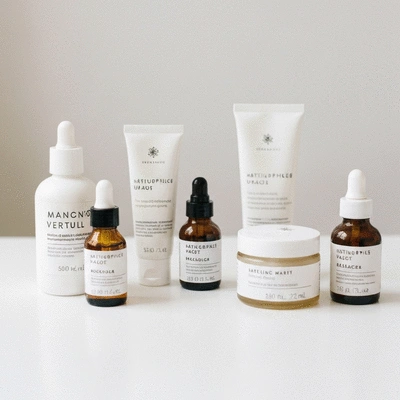
Let's break it down into manageable steps. By creating a product selection matrix, you can easily determine which products are the best fit for your skin. Here’s what to look for:
- Ingredients: Focus on hydrating agents like hyaluronic acid, glycerin, and niacinamide.
- Risks: Be aware of comedogenic ingredients that might clog pores.
- Formulations: Consider whether you prefer gels, creams, or sheet masks based on your skin's unique needs.
Armed with this matrix, you can make informed choices that will enhance your skincare routine!
Creating a Product Selection Matrix: Ingredients, Risks, and Formulations
To effectively choose products, I recommend creating a simple matrix that outlines your specific needs and the ingredients that meet those needs. This personalized approach will help you keep track of what works and what doesn’t. Start with the key components:
- Moisturizing Ingredients: Include popular options like hyaluronic acid and glycerin that attract moisture.
- Soothing Agents: Look for niacinamide and aloe vera to calm irritation.
- Non-Comedogenic Formulas: Focus on lightweight products that won't clog pores.
By categorizing your options, you can simplify your shopping experience and avoid common pitfalls!
Recommended Hydrating Serums and Masks for Different Budgets
Finding the right products doesn't have to break the bank! Here are my top recommendations categorized by budget to help you stay within your financial comfort zone:
- Budget-Friendly Options: Look for brands like The Ordinary or Neutrogena that offer effective products without high prices.
- Mid-Range Favorites: Products from Paula's Choice and CeraVe provide quality hydration and soothing benefits.
- Luxury Choices: If you're willing to splurge, consider brands like Drunk Elephant or Tatcha, known for their high-quality formulations.
Whichever range you choose, be sure to focus on the ingredients that suit your skin's needs!
Identifying Active Ingredients for Your Skin Type
Understanding which active ingredients will benefit your specific skin type can be a game changer. Here’s how to identify the best options:
- If your skin is very dry: Look for products rich in hyaluronic acid and ceramides.
- If your skin is oily but dry: Opt for lightweight gel formulas with glycerin and niacinamide.
- If you have sensitive skin: Choose products with calming ingredients like aloe vera and chamomile extract.
Tailoring your product choices based on active ingredients will empower you to manage your dry, acne-prone skin effectively!
Troubleshooting Common Issues with Hydrating Products
Even with the best intentions, sometimes hydrating products can exacerbate breakouts or cause irritation. If you find yourself facing this challenge, don’t worry! Together, we’ll troubleshoot these issues.
Let’s explore some common problems and how to tackle them:
Recap of Key Points
Here is a quick recap of the important points discussed in the article:
- Hydration is essential for maintaining a strong skin barrier, especially for acne-prone dry skin.
- Select non-comedogenic products to prevent clogged pores while ensuring adequate hydration.
- Incorporate hydrating serums and masks to deliver concentrated moisture and soothe inflammation.
- Regularly assess your skin's hydration levels by monitoring signs of dryness like tightness and flakiness.
- Focus on key ingredients such as hyaluronic acid, glycerin, and niacinamide when selecting products.
- Create a personalized product selection matrix to simplify decision-making and track effective ingredients.