Urea's Role in Acne Care
Have you struggled to find a solution that tackles both dryness and acne? You’re not alone! Let’s explore how urea can be a game changer in your skincare routine.
What You Will Learn
- Urea acts as a humectant, attracting moisture to the skin for enhanced hydration and improved texture.
- Helps repair the skin barrier, reducing transepidermal water loss and protecting against environmental stressors.
- Exhibits keratolytic properties, providing gentle exfoliation to prevent clogged pores and promote smoother skin.
- Research supports urea's effectiveness in improving hydration and treating inflammatory skin conditions like eczema and psoriasis.
- Formulating a skincare routine with urea can effectively address both dryness and acne, making it a versatile ingredient.
Urea in Skincare: A Quick Comparison with Other Ingredients
Understanding how urea stands against other common skincare ingredients helps in choosing the best approach for dry, acne-prone skin.
Urea
Benefits:
- ✓ Hydration
- ✓ Gentle Exfoliation
- ✓ Barrier Repair
Best For:
Dry, acne-prone skin
Lactic Acid
Benefits:
- ✓ Exfoliation
- ✓ Hydration
- ✓ Brightening
Best For:
Uneven skin texture
Salicylic Acid
Benefits:
- ✓ Exfoliation
- ✓ Acne Treatment
- ✓ Anti-inflammatory
Best For:
Oily, acne-prone skin
Hyaluronic Acid
Benefits:
- ✓ Intense Hydration
- ✓ Plumping Effect
- ✓ Non-irritating
Best For:
All skin types
The Benefits of Urea in Skincare for Dry, Acne-Prone Skin Conditions
Have you struggled to find a solution that tackles both dryness and acne? You’re not alone! At Dry Acne Solutions, we understand the challenges that come with managing these conditions. Let’s explore how urea can be a game changer in your skincare routine.
Urea is a powerful ingredient that serves multiple purposes, making it particularly beneficial for those with dry, acne-prone skin. By incorporating urea into your daily regimen, you can enjoy smoother, more hydrated skin while addressing problematic breakouts. Ready to learn more? Let’s dive right in!
How Urea Works: The Science Behind Its Benefits
Understanding Urea as a Humectant
Urea is classified as a humectant, which means it has a unique ability to attract moisture to the skin. When you apply products containing urea, it pulls water from the environment and deeper layers of the skin to the surface. This process is crucial for achieving a plump, hydrated appearance, especially if your skin tends to feel tight and dry.
- Attracts moisture effectively
- Enhances skin hydration levels
- Improves overall skin texture
With urea’s moisture-attracting properties, you’ll find that your skin feels softer and looks healthier. It’s like giving your skin a refreshing drink, which is especially important when you’re dealing with dryness!
The Role of Urea in Barrier Repair
Another fantastic benefit of urea is its role in supporting the skin barrier. A healthy skin barrier is essential for preventing transepidermal water loss (TEWL), which often leads to further dryness and irritation. Research highlights how urea helps to strengthen this barrier, making it more resilient against external stressors.
- Supports skin barrier function
- Reduces transepidermal water loss
- Helps maintain hydration levels
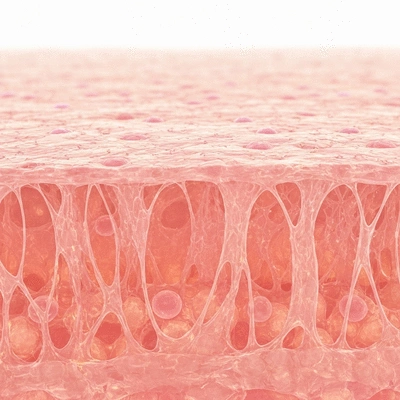
This means that not only will your skin feel better, but it will also become better at defending itself against environmental aggressors. Embracing urea in your skincare routine can pave the way for healthier skin over time!
Keratolytic Properties: Gentle Exfoliation for Acne-Prone Skin
You might be surprised to learn that urea also has keratolytic properties, which means it can gently exfoliate dead skin cells. This is particularly beneficial for acne-prone skin, as it helps prevent clogged pores that can lead to breakouts. As detailed by DermNet NZ, urea's ability to soften and dissolve the intercellular matrix of the stratum corneum allows for gentle exfoliation.
- Promotes gentle exfoliation
- Helps prevent clogged pores
- Supports smoother skin texture
By using urea, you’re not just hydrating; you’re also actively working to keep those pesky pimples at bay. It’s a perfect example of how effective skincare doesn’t have to be complicated!
Clinical Evidence Supporting Urea for Dry Skin and Acne
Research Findings on Urea and Hydration
Many studies have demonstrated the effectiveness of urea in improving skin hydration. For instance, research shows that topical urea can significantly increase water content in the skin, leading to a more radiant complexion. A study published in Cureus explored the synergistic effects of ingredients including hydroxyethyl urea in enhancing hydration and reducing skin bumps.
As we continue to explore the science behind urea, it's important to keep an eye on how emerging research can enhance our understanding of skincare solutions for individuals with dry and acne-prone skin!
Urea's Impact on Inflammatory Skin Conditions
Urea isn’t just beneficial for hydration; it also shows promise in treating inflammatory skin conditions like eczema and psoriasis. Its ability to soften and hydrate the skin can alleviate symptoms associated with these conditions.
By integrating urea into your routine, you might find relief not just from dryness, but also from the irritation that often accompanies inflammatory conditions. It’s all about nurturing your skin with the right ingredients!
Evaluating Urea's Effectiveness for Acne: What the Evidence Shows
Current research indicates that urea can be effective in treating acne as well. Its properties help to keep pores clear and reduce inflammation, making it an ideal choice for those struggling with breakouts.
As we continue to evaluate the benefits of urea, it’s clear that using this ingredient can bring us one step closer to achieving the balanced, hydrated skin we all desire.
We Want to Hear From You!
Have you ever used urea in your skincare routine? What differences did you notice in your skin? Share your thoughts below:
Practical Routines for Dry, Acne-Prone Skin
Creating an effective skincare regimen for dry, acne-prone skin can feel overwhelming, but it doesn’t have to be! At Dry Acne Solutions, we focus on building a routine that incorporates urea along with other beneficial ingredients. By following a structured approach, you can nourish your skin while tackling those pesky breakouts.
Step-by-Step Skincare Regimen Incorporating Urea
Let’s break down a simple routine that you can easily incorporate into your daily life. Here’s a step-by-step guide to using urea effectively:
- Cleanser: Start with a gentle, hydrating cleanser that won’t strip your skin of moisture.
- Toner: Use an alcohol-free toner to prepare your skin for the next steps.
- Urea Treatment: Apply a urea-containing serum or lotion. Look for concentrations between 2-10% for optimal hydration.
- Moisturizer: Follow with a lightweight, non-comedogenic moisturizer to seal in hydration.
- Sunscreen (AM Routine): Finish off your morning routine with a broad-spectrum sunscreen to protect your skin.
By adhering to this routine, you're not only addressing dryness but also working to prevent breakouts! Have you tried this regimen yet? Let us know how it works for you!
Product Recommendations Across Different Budgets
Finding the right urea-containing products doesn’t have to break the bank. Here are some of my top recommendations across various price points:
- Budget-Friendly: CeraVe Hydrating Cream – A gentle option that combines urea and ceramides.
- Mid-Range: Eucerin UreaRepair Plus Lotion – A great choice for intensive hydration and effective barrier repair.
- High-End: Dr. Dennis Gross Alpha Beta Universal Daily Peel – Offers urea along with other exfoliating acids for a luxurious treatment.
Each of these products is formulated to support your skin's hydration needs without causing irritation. No matter your budget, you'll find something that works for you!
Understanding Non-Comedogenic vs. Comedogenic Products in Your Routine
When managing dry, acne-prone skin, it’s vital to choose products that won’t clog your pores. Here’s how to differentiate:
- Non-Comedogenic: These products are formulated to not block pores and are typically oil-free.
- Comedogenic: These may contain ingredients that can lead to breakouts, so it’s best to avoid them.
Incorporating urea into your routine can help with hydration without adding to the risk of breakouts! Always check product labels and ingredients to ensure they align with your skin's needs.
Frequently Asked Questions About Urea in Skincare
As you embark on your skincare journey, you may have some lingering questions about urea and its role in your routine. Let’s address some common concerns!
What is urea and how does it benefit dry, acne-prone skin?
Urea is a humectant that attracts and retains moisture, making it excellent for hydrating dry skin. It also has keratolytic properties, meaning it gently exfoliates to prevent clogged pores and reduce acne, while also supporting the skin's barrier function.
Is urea safe for sensitive skin or inflammatory conditions?
Yes, urea is generally considered safe. Its gentle exfoliating and hydrating properties can be beneficial for sensitive skin and can help alleviate symptoms of inflammatory conditions like eczema and psoriasis by strengthening the skin barrier and providing moisture.
How quickly can I expect to see results from using urea in my skincare routine?
Many users notice improvements in skin hydration and texture within a few days of consistent use. For more significant changes, especially concerning acne and barrier repair, allowing several weeks of regular application is recommended.
What concentration of urea should I look for in skincare products?
For general hydration and gentle exfoliation, concentrations between 2-10% are often recommended. Higher concentrations (e.g., 20% or more) are typically used for specific conditions like severe dry skin or calluses, and it's best to consult a dermatologist for those.
Can urea be used with other active ingredients like salicylic acid or hyaluronic acid?
Yes, urea can often be combined with other active ingredients. Its hydrating and exfoliating actions can complement ingredients like hyaluronic acid (for enhanced hydration) and salicylic acid (for deeper acne treatment). However, always introduce new combinations gradually and monitor your skin for any irritation.
Urea vs. Other Humectants: A Quick Comparison
| Ingredient | Benefits | Best For |
|---|---|---|
| Urea | Hydration, gentle exfoliation | Dry, acne-prone skin |
| Lactic Acid | Exfoliation, hydration | Uneven skin texture |
| Salicylic Acid | Exfoliation, acne treatment | Oily, acne-prone skin |
| Hyaluronic Acid | Intense hydration | All skin types |
This table illustrates how urea compares with other common humectants. It’s essential to choose what's best for your unique skin type and concerns.
The Role of Urea in Enhancing Skin Hydration Therapy
Incorporating urea into your skincare routine not only helps with hydration but also promotes a balanced skin microbiome. The benefits of urea extend beyond just topical hydration; it supports overall skin health by fostering a healthy environment for beneficial microbes.
Conclusion: Embracing Urea for Healthier Skin
As we've explored, urea offers multiple benefits for those with dry, acne-prone skin. By incorporating urea into your routine and understanding how it works, you're taking a significant step towards achieving the healthy, vibrant skin you deserve! Remember, at Dry Acne Solutions, we’re here to support you every step of the way on your skincare journey!
Recap of Key Points
Here is a quick recap of the important points discussed in the article:
- Urea is a humectant that effectively attracts moisture, enhancing skin hydration levels and texture.
- It supports skin barrier function, reducing transepidermal water loss and helping to maintain hydration.
- Urea has keratolytic properties that promote gentle exfoliation, preventing clogged pores and breakouts.
- Research shows urea improves skin hydration and can alleviate symptoms of inflammatory skin conditions.
- Incorporating urea into a structured skincare regimen can lead to healthier, more balanced skin.