Moisturizers for Dry Acne Skin
Have you ever felt the frustration of dealing with both dry patches and unexpected breakouts? If this sounds familiar, you're not alone. Understanding and managing dry acne-prone skin requires not just knowledge, but also the right strategies to restore balance and confidence.
What You Will Learn
- Recognize the characteristics of dry acne-prone skin, including flaky patches and heightened sensitivity.
- Understand the essential role of hydration and the types of ingredients that effectively combat dryness without causing breakouts.
- Evaluate the effectiveness of skincare products by considering ingredient research, user reviews, and sample sizes before committing.
- Make environmentally conscious choices by selecting sustainable products that are both skin-friendly and eco-friendly.
- Choose fragrance-free and hypoallergenic products to minimize irritation and enhance skin health.
Understanding the Challenges of Dry Acne-Prone Skin
Navigating the complexities of dry, acne-prone skin involves understanding key challenges and effective solutions. Below is a visual summary of common struggles and the crucial role of hydration in maintaining skin health.
Common Struggles Faced by Individuals
- • Product Overload: Overwhelming skin with too many products.
- • Inconsistent Results: Fluctuating skin conditions from frequent changes.
- • Frustration: Endless trial and error impacting confidence.
Why Hydration is Crucial for Dry Acne-Prone Skin
- • Combats Dryness: Prevents flaky patches and tightness.
- • Strengthens Skin Barrier: Enhances defense against acne-causing bacteria.
- • Supports Healing: Promotes a smoother, clearer complexion.
Essential Hydrating Ingredients
- • Humectants (e.g., Glycerin, Hyaluronic Acid): Draw moisture into the skin.
- • Emollients: Soften and smooth skin's surface.
- • Occlusives: Create a barrier to prevent moisture loss.
Informed Product Decisions
- • Cost vs. Efficacy: Research ingredients & user reviews; use samples.
- • Environmental Factors: Sustainable packaging and ethically sourced ingredients.
- • Fragrance-Free & Hypoallergenic: Minimizes irritation and allergic reactions for sensitive skin.
Understanding the Challenges of Dry Acne-Prone Skin
Have you ever found yourself battling both dryness and breakouts at the same time? If so, you might have dry acne-prone skin, a common yet frustrating condition. At Dry Acne Solutions, we understand the unique challenges this skin type presents, and we're here to help you navigate them effectively.
Dry acne-prone skin is characterized by a combination of flaky patches and blemishes, making it difficult to find the right skincare balance. While hydration is essential, using the wrong products can lead to clogged pores and irritation. So, let’s explore what this skin type entails and how you can address its specific needs!
What is Dry Acne-Prone Skin?
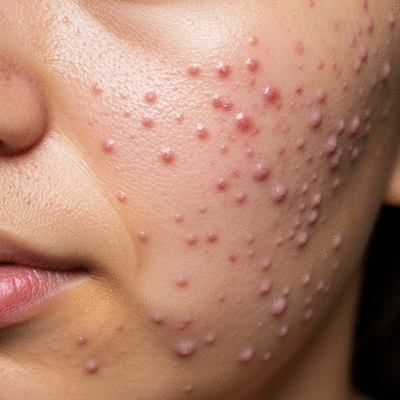
Dry acne-prone skin is exactly what it sounds like—a skin condition that experiences both dryness and acne. This combination occurs when the skin’s natural oils struggle to maintain moisture while fighting off breakouts. You might notice that your skin feels tight or rough, yet you still deal with pesky pimples. It's a tricky cycle!
- Flaky Patches: Areas of your skin may appear dry and rough.
- Breakouts: Blemishes can pop up, often in the same areas where the skin feels dry.
- Increased Sensitivity: This skin type can be more reactive to certain products, making it essential to choose wisely.
Understanding this condition helps in tailoring your skincare approach. By recognizing the signs, you can begin to implement the right strategies for relief!
Common Struggles Faced by Individuals
Many individuals with dry acne-prone skin face a range of challenges. One of the primary struggles is finding products that hydrate without causing breakouts. This often leads to a confusing skincare routine filled with trial and error.
- Product Overload: Trying multiple products can overwhelm your skin and worsen the condition.
- Inconsistent Results: Switching products frequently may lead to fluctuating skin conditions.
- Frustration: The journey to finding balance can feel endless, impacting your confidence.
It’s important to understand that you're not alone in this struggle. Many have walked this path, and with the right information and support, you can achieve a healthier complexion!
The Importance of Hydration for Dry and Acne-Prone Skin
Hydration is essential for all skin types, but it is particularly crucial for those with dry acne-prone skin. Keeping your skin hydrated helps to combat dryness while also ensuring that your skin’s barrier remains strong against acne. The secret lies in choosing the right hydrating ingredients!
- Humectants: Ingredients like glycerin and hyaluronic acid draw moisture to the skin.
- Emollients: These help to soften and smooth the skin’s surface.
- Occlusives: They create a barrier to prevent moisture loss, essential for retaining hydration.
By prioritizing hydration in your routine, you can promote a smoother, clearer complexion. Remember, a well-hydrated skin barrier is your best defense against breakouts!
Frequently Asked Questions About Dry Acne-Prone Skin
Q1: What are the main characteristics of dry acne-prone skin?
Dry acne-prone skin is characterized by a combination of flaky patches, tightness, and recurring breakouts. It often feels sensitive and can react poorly to harsh products.
Q2: Why is hydration so important for this skin type?
Hydration is crucial because it helps combat dryness, strengthens the skin's natural barrier against irritants and acne-causing bacteria, and supports overall healing for a smoother, clearer complexion.
Q3: What types of hydrating ingredients should I look for?
Look for humectants like glycerin and hyaluronic acid, emollients to soften the skin, and occlusives to create a barrier that prevents moisture loss. These ingredients work together to keep the skin moisturized without clogging pores.
Q4: How can I choose effective skincare products without wasting money?
To choose effective products, research ingredients, read user reviews from individuals with similar skin types, and try sample sizes before committing to full-sized products. Focus on efficacy and ingredients rather than just price.
Q5: Why should I choose fragrance-free and hypoallergenic products?
Fragrance-free and hypoallergenic products are recommended because they minimize the risk of irritation, redness, and allergic reactions, which are common concerns for sensitive, dry acne-prone skin. They prioritize skin health over unnecessary additives.
We Want to Hear From You!
Have you experienced the struggle of balancing hydration and acne? What strategies have you found effective in managing your dry acne-prone skin? Share your thoughts below:
Making Informed Decisions: Choosing the Best Moisturizer for Your Skin
Choosing the right moisturizer for dry acne-prone skin can feel overwhelming, especially with the myriad of options available. As someone who has seen many patients struggle with this challenge, I understand how crucial it is to make informed choices that cater to your unique skin needs. This section will guide you through evaluating product effectiveness while considering essential factors like cost, sustainability, and ingredient safety.
Evaluating Product Effectiveness: Cost vs. Efficacy
When it comes to skincare, price does not always equate to quality. Here are some key points to consider while weighing cost against efficacy:
- Research Ingredients: Look for evidence-based active ingredients that effectively target both dryness and acne. For more on selecting the right moisturizer, you can refer to insights from the Journal of Clinical and Aesthetic Dermatology.
- Read User Reviews: Seek feedback from others with similar skin types. Their insights can reveal whether a product truly works.
- Sample Sizes: Whenever possible, opt for travel or sample sizes to assess how your skin reacts before committing to full-sized products.
Finding a product that balances affordability and efficacy is vital. I often recommend looking beyond just the price tag and focusing on what ingredients can deliver results for your skin.
Environmental Considerations and Sustainability in Skincare
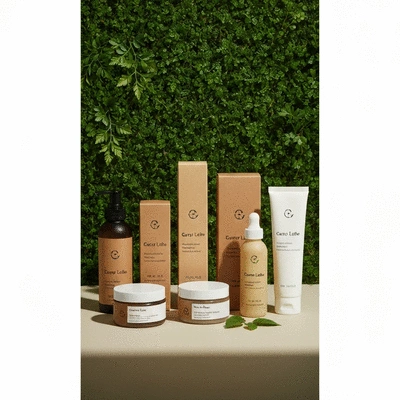
As we become more conscious of our environmental impact, choosing sustainable skincare products is essential. Here are some aspects to keep in mind:
- Packaging: Opt for brands that use recyclable or biodegradable materials.
- Ingredients: Support products that utilize ethically sourced ingredients, which are better for both your skin and the planet. This approach aligns with a broader understanding of skin barrier function and its maintenance.
- Brand Practices: Research companies that commit to eco-friendly practices and transparency in their sourcing and manufacturing processes.
By selecting eco-conscious products, you contribute positively to the environment while caring for your skin. It’s a win-win situation!
Importance of Fragrance-Free and Hypoallergenic Products for Sensitive Skin
For those with dry acne-prone skin, choosing fragrance-free and hypoallergenic products is crucial. Here’s why:
- Minimized Irritation: Fragrances can cause redness and irritation, which is the last thing you want when managing breakouts.
- Less Risk of Allergies: Hypoallergenic products are formulated to reduce the risk of allergic reactions, making them suitable for sensitive skin.
- Focus on Functionality: Fragrance-free formulas often prioritize effective ingredients that enhance skin health without unnecessary additives.
Choosing products designed specifically for sensitive skin can lead to better results and a more comfortable experience. At Dry Acne Solutions, we advocate for prioritizing your skin's needs over marketing hype!
Recap of Key Points
Here is a quick recap of the important points discussed in the article:
- Dry acne-prone skin presents both flaky patches and breakouts, making it crucial to balance hydration and acne treatment.
- Hydration is vital; using humectants, emollients, and occlusives can help maintain moisture without clogging pores.
- When selecting products, prioritize fragrance-free and hypoallergenic options to minimize irritation and allergic reactions.
- Consider sustainability and eco-friendly practices when choosing skincare brands to positively impact the environment.
- Evaluate product effectiveness based on ingredients and user reviews rather than solely on price.