Skincare Routine for Dry Acne
Have you ever found yourself frustrated by dry patches that coexist with pesky breakouts? You’re certainly not alone in this struggle with dry acne-prone skin. Understanding how to navigate this unique challenge is essential for achieving a clear and hydrated complexion.
What You Will Learn
- Identifying dry acne-prone skin involves looking for flaky texture, redness, and persistent breakouts.
- Hydration is crucial; lightweight moisturizers with hyaluronic acid and ceramides can help maintain moisture without clogging pores.
- Be cautious of ingredient interactions; avoid harsh combinations like retinol with AHAs, which can irritate the skin.
- Affordable DIY skincare options, such as aloe vera gel and honey masks, can effectively support hydration and clarity.
- Natural remedies like tea tree oil and chamomile can help manage acne while keeping your skin healthy and hydrated.
Understanding Key Challenges for Dry Acne-Prone Skin
Managing dry and acne-prone skin involves balancing hydration with targeted treatments. The visual below highlights critical interactions to avoid, along with effective natural remedies.
Ingredient Interactions to Avoid
- ✕ Retinol & AHAs
- ✕ Salicylic Acid & Benzoyl Peroxide
- ✕ Vitamin C & Retinol
Natural Remedies for Acne Management
- ✔ Tea Tree Oil
- ✔ Chamomile
- ✔ Apple Cider Vinegar
Understanding Dry Acne-Prone Skin: Characteristics and Challenges
Have you ever looked in the mirror and noticed both dry patches and unwelcome breakouts? You're not alone! Many individuals, including my patients at Dry Acne Solutions, face the unique challenge of managing dry acne-prone skin. It's essential to understand the characteristics of this skin type to navigate your skincare journey effectively.
Dry acne-prone skin often presents itself as a combination of flaky or tight-feeling areas along with occasional pimples. This can be particularly frustrating, as traditional acne treatments can exacerbate dryness, leaving you feeling stuck in a cycle of irritation. Recognizing the signs of dry acne-prone skin is the first step toward achieving a balance that promotes healing and hydration.
Defining Dry Acne-Prone Skin: What to Look For
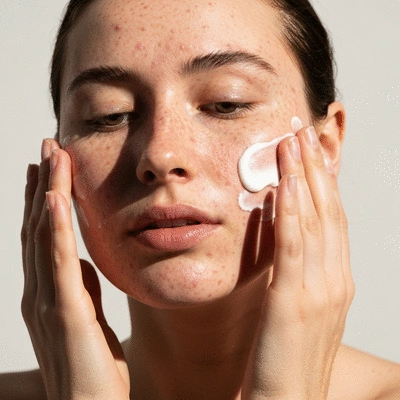
When assessing your skin, look for these key characteristics:
- Flaky or Rough Texture: Areas of skin may feel dry and uneven, often accompanied by visible flakes.
- Redness or Irritation: Dryness can lead to inflammation, making your skin appear red and sensitive.
- Breakouts: Despite the dryness, you may still experience acne, particularly in the form of clogged pores.
- Tightness: A common sensation among those with this skin type, especially after cleansing.
As you identify these characteristics, remember that you can achieve healthy, radiant skin by implementing a tailored skincare routine focused on hydration and gentle treatment options.
The Importance of Balancing Hydration and Acne Treatment
Balancing hydration while treating acne can feel like walking a tightrope. It's crucial to find products that nourish your skin without clogging pores. In my practice, I frequently emphasize that hydration is not just a luxury; it's a necessity for any skincare routine! For instance, research published in the Journal of Clinical and Aesthetic Dermatology highlights the importance of maintaining skin barrier function, which is critical for both hydration and acne control. This involves careful selection of cleansers and moisturizers.
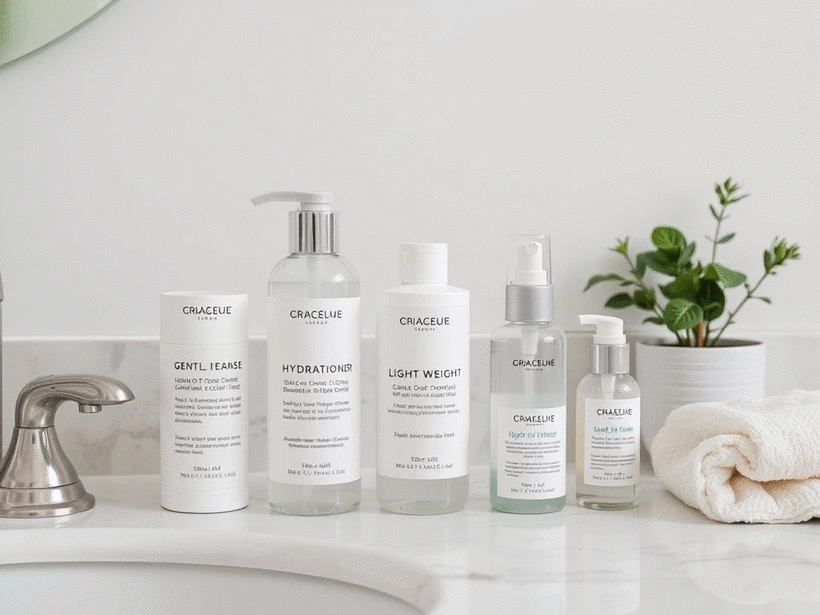
By opting for lightweight moisturizers that contain ingredients like hyaluronic acid and ceramides, you can maintain moisture levels while still targeting acne. This dual approach not only addresses dryness but also helps prevent future breakouts, allowing you to enjoy the best of both worlds. The Journal of Cosmetics, Dermatological Sciences and Applications further supports the efficacy of specific ingredients in skincare formulations for acne-prone skin, emphasizing the need for non-comedogenic and hydrating components.
Pro Tip
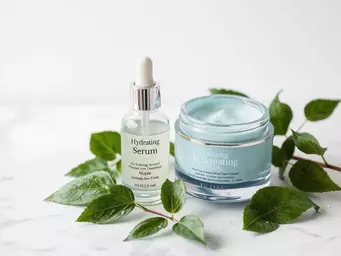
When managing dry acne-prone skin, consider incorporating a hydrating serum into your routine. Look for serums that contain glycerin or squalane, as they help to attract moisture and lock it in, providing a boost of hydration without the heaviness of a cream. This can significantly improve your skin's texture and overall appearance.
Maintaining Long-Term Skin Health: Tips and Strategies
When it comes to managing dry acne-prone skin, a proactive approach can make all the difference. It’s essential to understand how different ingredients can interact with each other and what to avoid to keep your skin balanced and healthy. Here are some tips that I find invaluable in my practice at Dry Acne Solutions.
Recognizing Ingredient Interactions: What to Avoid
Understanding the ingredient interactions in your skincare products is crucial for maintaining healthy skin. Certain combinations can lead to irritation or exacerbate acne. Here’s a list of interactions to be cautious about:
- Retinol and Alpha Hydroxy Acids (AHAs): Using these together can be too harsh and lead to irritation.
- Salicylic Acid and Benzoyl Peroxide: While both combat acne, they can dry out the skin if used simultaneously.
- Vitamin C and Retinol: These two ingredients can cancel each other's effectiveness if layered improperly.
By being mindful of these interactions, you can create a routine that supports your skin’s health without causing additional problems. If you're ever unsure, consulting with a dermatologist can provide personalized guidance tailored to your unique skin needs. This is especially important for individuals undergoing acne treatment, as emphasized by the American Acne and Rosacea Society, which provides guidelines on combining active ingredients safely and effectively.

Affordable and DIY Alternatives for Skincare
Skincare doesn’t always have to break the bank! There are plenty of effective and affordable options available. Here are some DIY alternatives to consider for maintaining your skin’s hydration and clarity:
- Aloe Vera Gel: A soothing, natural hydrator that can help calm irritated skin.
- Honey Masks: Honey is a natural antibacterial agent and can provide moisture without clogging pores.
- Green Tea: Use cooled green tea bags on breakouts or as a toner for its antioxidant properties.
These simple remedies not only save money but also allow you to connect with natural ingredients that can benefit your skin. Have you tried any of these at home? I’d love to hear your experiences!
Natural Remedies for Acne Management
Incorporating natural remedies into your routine can be a game-changer for those struggling with dry acne-prone skin. Here are a few that have worked for my clients:
- Tea Tree Oil: Known for its antibacterial properties, it can be used sparingly to target blemishes.
- Chamomile: This can help soothe inflammation and reduce redness when applied as a compress.
- Apple Cider Vinegar: Diluted with water, it can act as a toner that balances the skin’s pH.
These options can help manage acne while ensuring your skin remains hydrated and healthy. Remember, consistency is key, and patience often yields the best results!
Frequently Asked Questions (FAQs)
- Q: What are the key characteristics of dry acne-prone skin?
- A: Dry acne-prone skin typically features flaky or rough texture, redness or irritation, persistent breakouts despite dryness, and a sensation of tightness, especially after cleansing.
- Q: Why is hydration crucial for dry acne-prone skin?
- A: Hydration is essential because it helps maintain the skin's barrier function, prevents further irritation, and balances the skin without exacerbating dryness, which can worsen acne. Lightweight moisturizers with ingredients like hyaluronic acid and ceramides are recommended.
- Q: Which skincare ingredient combinations should be avoided?
- A: It's best to avoid combining Retinol with AHAs, Salicylic Acid with Benzoyl Peroxide, and Vitamin C with Retinol, as these combinations can lead to increased irritation and dryness, or reduce product effectiveness.
- Q: Are there affordable DIY skincare options for dry acne-prone skin?
- A: Yes, affordable DIY options include aloe vera gel for soothing and hydration, honey masks for antibacterial and moisturizing benefits, and green tea as an antioxidant toner or compress.
- Q: What natural remedies can help manage acne while keeping skin hydrated?
- A: Natural remedies like tea tree oil (for blemishes), chamomile (to soothe inflammation), and diluted apple cider vinegar (as a pH-balancing toner) can help manage acne effectively while promoting skin health and hydration.
Recap of Key Points
Here is a quick recap of the important points discussed in the article:
- Identify Characteristics: Look for flaky texture, redness, and tightness as signs of dry acne-prone skin.
- Hydration is Essential: Use lightweight moisturizers with hyaluronic acid and ceramides to maintain moisture without clogging pores.
- Avoid Harsh Ingredient Combinations: Be cautious of using retinol with AHAs or salicylic acid with benzoyl peroxide to prevent irritation.
- Explore DIY Remedies: Natural options like aloe vera, honey masks, and green tea can effectively hydrate and soothe the skin.
- Be Consistent: Patience and a consistent skincare routine are key to achieving long-term skin health.