Using Retinol on Dry Acne Skin
What if I told you that a small ingredient could revolutionize your skincare routine? Retinol, a powerful derivative of vitamin A, has been making waves for its remarkable ability to transform dry, acne-prone skin. In this article, you’ll discover the benefits of retinol and how to incorporate it effectively into your routine.
What You Will Learn
- Retinol promotes cell turnover, leading to smoother and clearer skin.
- Regular use can significantly reduce acne breakouts and improve skin texture.
- A low concentration of retinol is advisable to start gauging skin sensitivity.
- Incorporating moisturizing practices is crucial to combat dryness associated with retinol use.
- Understanding how retinol compares to other treatments like tretinoin and salicylic acid can enhance your skincare strategy.
Retinol's Role in Skincare: Understanding Its Comparisons and Product Options
This visual highlights the distinctions between retinol and other acne treatments, along with a comparison of various retinol product types.
Retinol vs. Other Acne Treatments
Retinol: Overall Skin Health
Addresses acne & aging, promotes cell turnover.
Tretinoin: Potent Acne Treatment
Stronger, prescription-strength for severe acne, more irritation.
Salicylic Acid: Surface Exfoliation
Great for oily skin, exfoliates surface, treats acne at surface level.
Retinol Product Options
Affordable: Neutrogena Rapid Wrinkle Repair
Price: Under $20. Gentle, effective for beginners.
Mid-Range: La Roche-Posay Redermic R
Price: $30 - $50. Suitable for sensitive skin, hydrates.
Premium: Drunk Elephant A-Passioni Retinol Cream
Price: Over $70. High-quality ingredients, less irritation.
Understanding Retinol and Its Benefits for Dry Acne Skin
Have you ever wondered what makes retinol such a buzzword in skincare? As someone who has dedicated over a decade to treating complex skin conditions like dry and acne-prone skin, I can assure you that retinol offers a world of benefits when used correctly. It’s a powerful derivative of vitamin A, known for its ability to promote cell turnover and enhance skin texture. Understanding how retinol works can be the first step in managing your unique skin challenges!
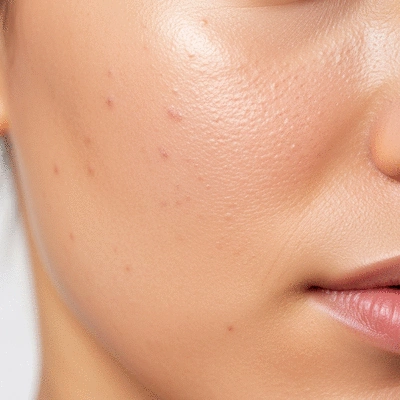
When we apply retinol, it penetrates the skin and helps to speed up the natural exfoliation process. This means it can effectively remove dead skin cells and prevent clogged pores, which is essential for anyone dealing with acne. Plus, the increased cell turnover can help fade acne scars and improve uneven skin tone. It’s like giving your skin a refreshing reset!
What is Retinol and How Does It Work?
Retinol is a formulation of vitamin A that comes in various strengths and can significantly benefit your skin. It works by binding to receptors in the skin, which triggers the production of new skin cells. This process not only helps in treating acne but also enhances overall skin health.
- Promotes Cell Turnover: This leads to smoother and clearer skin.
- Enhances Collagen Production: This helps to reduce fine lines and improve skin elasticity.
- Decreases Hyperpigmentation: Fades dark spots and evens out skin tone.
In my experience, starting with the right products can make a world of difference in your skincare routine. Retinol can be a game-changer for those of us with dry and acne-prone skin, but it’s essential to use it wisely.
The Role of Retinol in Acne Treatment and Skin Health
Retinol plays a crucial role in treating acne by unclogging pores and reducing inflammation. As a dermatologist, I’ve seen firsthand how retinol can transform the skin of those struggling with persistent acne. It’s more than just a treatment; it’s an essential component of a balanced skincare routine. Consistent use of topical retinoids can significantly reduce acne lesion counts and improve overall skin clarity.
- Reduces Acne Breakouts: Regular use can minimize the frequency and severity of breakouts.
- Improves Skin Texture: Smooths rough patches and helps reduce the appearance of blemishes.
- Enhances Skin Radiance: Helps achieve that healthy glow we all desire.
By incorporating retinol into your routine, you’re not just tackling existing acne, but also working towards preventing future breakouts. It’s a holistic approach to achieving clearer skin!
How Retinol Compares to Other Acne Treatments Like Tretinoin and Salicylic Acid
While retinol is effective, it’s important to know how it measures up against other popular acne treatments. For instance, tretinoin is a prescription-strength derivative of vitamin A that works similarly but is generally stronger and may have more side effects. On the other hand, salicylic acid is a beta hydroxy acid (BHA) that exfoliates the surface of the skin and is great for oily skin types. For a deeper understanding of various acne treatments and their effectiveness, you can refer to clinical studies on topical retinoids.
- Retinol: Best for overall skin health and addressing both acne and signs of aging.
- Tretinoin: More potent and often prescribed for severe acne, but may increase irritation.
- Salicylic Acid: Excellent for oily skin and treating acne at the surface level.
In my practice at Dry Acne Solutions, I recommend starting with retinol to gauge your skin's tolerance before moving on to other treatments if necessary. Each individual's skin responds differently, and understanding your unique needs can lead to better outcomes.
Pro Tip
To maximize the effectiveness of retinol while minimizing irritation, consider applying it every other night at first. This allows your skin to gradually adjust to the ingredient. Additionally, pair your retinol with a hydrating serum containing hyaluronic acid to maintain moisture balance. Your skin will thank you for the thoughtful approach!
Frequently Asked Questions About Retinol
What is retinol and how does it benefit dry, acne-prone skin?
Retinol is a derivative of vitamin A that promotes cell turnover, helping to remove dead skin cells and prevent clogged pores. For dry, acne-prone skin, it can reduce breakouts, fade acne scars, improve skin texture, and enhance overall skin health by stimulating collagen production.
How should I start using retinol to minimize irritation?
It's advisable to start with a low concentration of retinol and apply a pea-sized amount every other night. Always conduct a patch test first. Pairing it with a hydrating moisturizer and considering the "Sandwich Method" (moisturizer, retinol, moisturizer) can also help reduce dryness and irritation.
How does retinol compare to tretinoin and salicylic acid for acne treatment?
Retinol is a milder form of vitamin A, suitable for overall skin health and addressing both acne and aging. Tretinoin is a stronger, prescription-strength retinoid often used for severe acne but can cause more irritation. Salicylic acid is a beta hydroxy acid that exfoliates the skin's surface and is particularly effective for oily skin and surface-level acne.
What are the key steps to effectively incorporate retinol into my skincare routine?
Key steps include: starting with a low concentration, using a pea-sized amount, performing a patch test, moisturizing regularly to combat dryness, and potentially using the "Sandwich Method." Patience and consistency are crucial for optimal results.
When should I consult a dermatologist about using retinol?
It is always recommended to consult a dermatologist, especially if you have sensitive skin, severe acne, or are unsure about which retinol product or concentration to use. A dermatologist can provide personalized advice and help you create an effective and safe skincare regimen.
Recap and Key Takeaways for Retinol Use
As we wrap up our exploration of retinol and its role in managing dry, acne-prone skin, it’s essential to summarize the key steps to ensure you start this journey effectively. Retinol can be a game-changer for your skincare routine, but it requires a thoughtful approach to maximize benefits while minimizing irritation.
- Begin with a low concentration of retinol to gauge your skin's sensitivity.
- Use a pea-sized amount to avoid overwhelming your skin.
- Incorporate a patch test before applying it to your entire face.
- Moisturize regularly to combat dryness and irritation.
- Consider the Sandwich Method to protect your skin.
These essential steps can help you transition into using retinol smoother! Remember, patience and consistency are key to seeing the results you desire.
Final Thoughts on Retinol for Dry Acne Skin
Retinol has proven to be an effective solution for many individuals with dry acne-prone skin, and I truly believe it can help you achieve that balanced, hydrated complexion you’re striving for. Just as I advise my patients at Dry Acne Solutions, taking the time to understand your skin's needs and integrating products carefully can lead to lasting improvements in your skin health.
While the initial phase may be challenging, the long-term benefits of clearer, healthier skin can be incredibly rewarding. So, don’t hesitate to embrace this journey! Each step you take towards better skin is a step towards enhanced self-confidence.
Engagement and Next Steps
Share Your Experience: User Testimonials and Community Insights
We’re all in this together! Sharing your experiences with retinol can help others who might be hesitant to start. Have you tried incorporating it into your routine? What challenges have you faced? Your insights could help someone else navigate their own skincare journey.
- Comment below with your retinol stories and results.
- Join our community discussions about your skincare routine.
- Engage with others facing similar challenges and triumphs.
Let’s lift each other up and share our journeys toward beautiful skin!
Explore Recommended Products: Affordable vs. Premium Options
With so many retinol products on the market, it can be overwhelming to choose the right one for your needs. Here’s a quick comparison of some options to consider:
| Product Type | Brand Name | Price Range | Highlights |
|---|---|---|---|
| Affordable | Neutrogena Rapid Wrinkle Repair | Under $20 | Gentle, effective for beginners |
| Mid-Range | La Roche-Posay Redermic R | $30 - $50 | Suitable for sensitive skin, hydrates |
| Premium | Drunk Elephant A-Passioni Retinol Cream | Over $70 | High-quality ingredients, less irritation |
Choosing the right product depends on your budget and specific skincare needs. Each of these options has its unique benefits, so feel free to explore and find what works best for you!
Consulting a Dermatologist for Personalized Skincare Advice
Finally, never underestimate the value of professional advice. Consulting a dermatologist like myself can provide you with personalized insights tailored to your skin’s unique challenges. We can help you create an effective routine that includes retinol and other essential ingredients to keep your skin balanced and healthy.
Whether you’re just starting out or looking to enhance your current regimen, I’m here to help. Let’s work together to achieve that radiant skin you deserve!
Recap of Key Points
Here is a quick recap of the important points discussed in the article:
- Start Slow: Begin with a low concentration of retinol to assess your skin's sensitivity.
- Use the Right Amount: Apply a pea-sized amount to avoid overwhelming your skin.
- Patch Test: Always conduct a patch test before applying retinol to your entire face.
- Moisturize: Regular moisturizing is key to combat dryness and irritation.
- Consider the Sandwich Method: This technique can help protect your skin while using retinol.